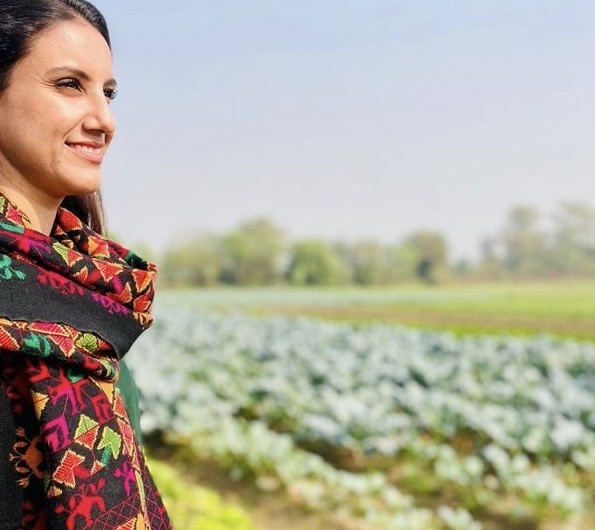
It takes immense courage to walk away from societal expectations and instead, journey down a different path. In 2020, after falling gravely ill during Covid, Fatima Zaka, had an awakening. Sitting in her hospital bed, the youngest patient in the ICU ward of a private hospital, Fatima had an acute and aching realization that life was terribly brief. If one didn’t follow one’s soul urge, what really was the point of it all? Hence, in 2021, precisely a year after her short, yet intense, period of illness, Fatima launched Farmette – a platform dedicated to bringing fresh and organic produce to the table. After a number of bumps along the way, expected when one decides to walk the lonely path of entrepreneurship, Fatima seems to have put together a roadmap which has slowly, yet surely, lifted the haze surrounding clean food, conscious farming, and what it truly means to build (rather, plant) with purpose. This week, in conversation with From Lahore With Love…
Fatima, what sparked the launch of Farmette in 2021?
As I was working full-time at a university back in 2019, I had already started taking interest in farming, and had started growing some organic produce on a small patch at a family farm for domestic consumption. Due to the love for inviting challenges into my life and exploring ideas, agriculture piqued my interest. In early 2020 (just when Covid hit the country), I was admitted to the ICU for two days. I was the youngest out of the four patients in the ICU. Although I was in a lot of pain, I was mostly conscious and could observe the patients on life support. It was a private hospital and the patients admitted could afford to be there.
I later realised that at the end of the day, all one needs is time and health. That year, I started exploring the retail and distribution channels for the first time because I knew what we were consuming at home was pure and high quality and I was not sure if this was something that was commonly available in the market. After identifying some gaps in the market and understanding the growing trend in the cities for premium and high quality food, I decided to run some pilots with friends and family. Every Sunday, we would bring crates of fresh fruits and vegetables from our family farm and deliver them to customers within my close circle to gather feedback. Their responses, and their willingness to pay a premium for quality, confirmed both the demand and the value of what we were offering. Hence, I formally launched Farmette in 2021.
Could you tell me about your experiences working in the field, what was it like initially? What did you plant, what did you learn about farming and the process that many of us are ignorant about?
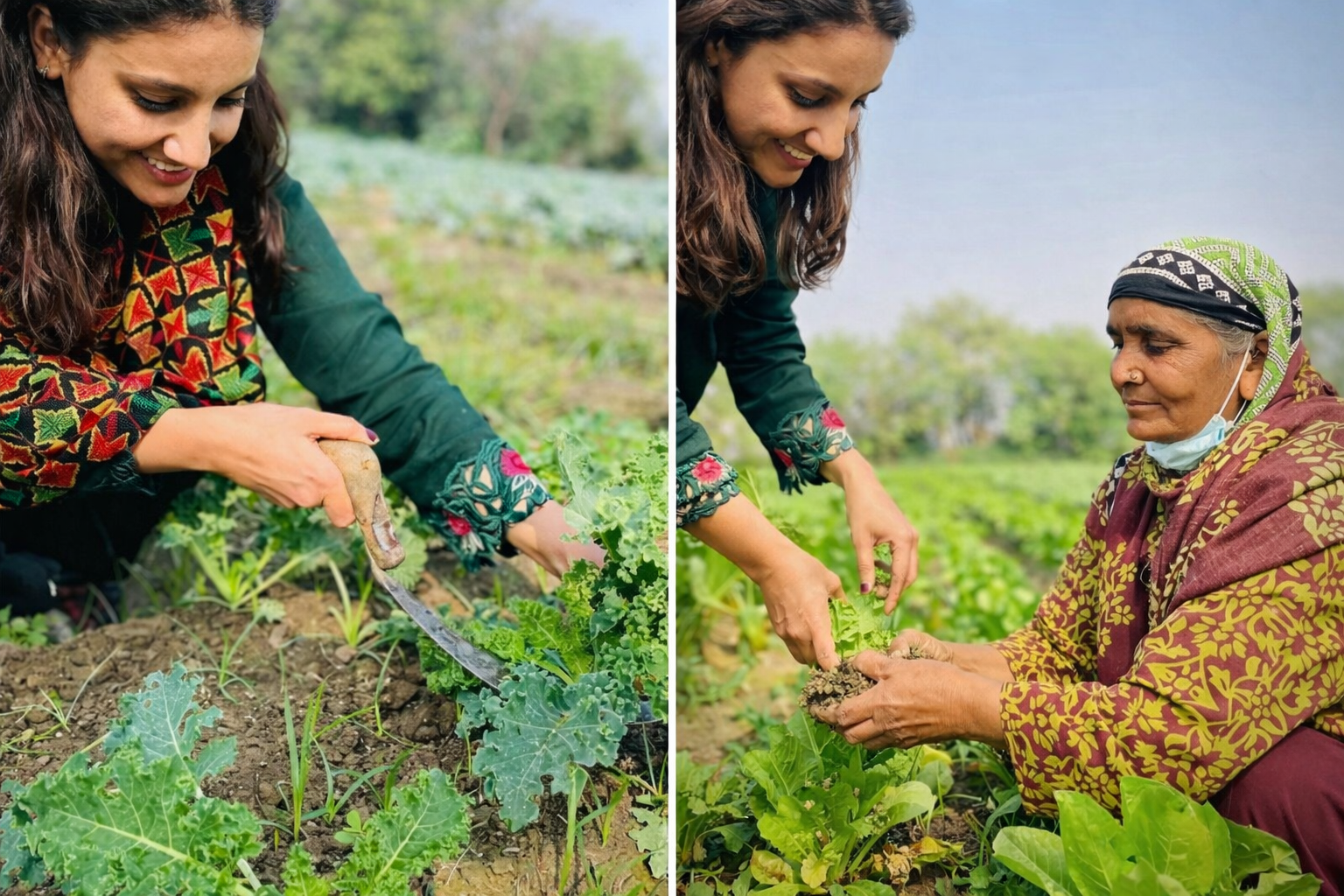
I started out by growing winter greens and cherry tomatoes. One important step that many growers tend to overlook is testing the soil’s pH value before planting. There’s also a general reluctance to adopt newer, more effective farming practices, even when they could improve yield or reduce long-term costs. When I first began, I would personally visit the fields, learn hands-on, and build relationships. On those visits, I met some of the kindest, most spiritual, humble, and wise people I’ve ever known.
How did your family react to your wanting to launch Farmette?
Nobody in our family has taken a plunge into business. However, given that my family has an inherent interest in farming, when I started farming as a side gig (with my full-time job), they fully supported it. For them, this is how business should be done: a side gig with a stable career. When I decided to quit my job do this full time back in 2021, I remember I went to my mother to discuss my plans and share all the reasons why I didn’t want to continue with my job. She was fine with the idea of Farmette, but went silent on the idea of leaving a stable income. My daughter, on the other hand, who was sitting in the room doing her homework, was listening to everything attentively. Suddenly, she raised her head and said; ‘I think you have made the right decision.’ These were her exact words. I couldn’t believe my ears and the confidence that my little girl had in me. That was it. I decided to meet my boss the next day. Once I took that leap of faith, my entire family has been very supportive, especially my mother, who has been helping me out with Farmette’s operations too.
Farmette has a strong focus on women-led leadership. What intentional decisions did you make to build and sustain that kind of culture?
Farmette is an early 19th century word for a female farmer. We represent all the women in this field. To be honest, it was not intentional back then. When I was building a team and going left and right looking for mentors and advisors, they were all males. A few encouraged and guided me a little, but nobody wanted to be part of my team as that was the time when investments in start-ups were at the peak and there was a lot of excitement. I understand that everyone looked at their own interests and what seemed to them would be a better payback.
For quite sometime I had to work solo, even doing the sorting and the packing…which now in retrospect, makes me so proud and grateful to God for enabling me to respect the dignity of labour even more. I was really pushed right out of my comfort zone! Later, a few young and very competent ladies (graduates from some of the top schools of the country) showed their faith and confidence in me and joined Farmette. The culture grew naturally. My operations team (all of whom joined us about three years ago) are some of the most hardworking boys I have come across. They’re very respectful and take pride in the fact that the founder behind Farmette is a female. We have become strong proponents of women-led small businesses with similar grit and grind. We try our best to support small businesses, especially in the AgriFood sector.
How did you build trust and long-term relationships with your farmers, especially during the early days of Farmette…was it a challenge?
This was luckily not a challenge for me. Through my personal network, I built the initial few partnerships. The challenge lies in maintaining relationships. Just like anybody else, the farming community appreciates certain principles which includes transparency, fairness in dealings and respect. They respect those that they see sincerely trying to build something with honesty and hard work. I received a lot of respect from them as they really appreciated a young educated woman trying to run the supply chain. Those I spoke to immediately understood and backed my vision.
What unique challenges have you faced as a female founder in Pakistan, and how have you overcome them?
One of the first challenges I encountered was the common stereotype that women simply ‘can’t do’ certain things, especially in business or agriculture. Access to mentorship is also limited for women, particularly at the beginning of their journeys. Standing your ground and not giving into these challenges can isolate you, but then anything worth fighting – and living – for does that. But then you realize that this is your journey and yours alone, nobody else understands it better than you will. At the end of the day, we’re building for customers and what they think of us matters the most…not anyone else.
What advice would you give to young women in Pakistan who want to break into entrepreneurship, especially in non-traditional sectors?
Don’t worry about what people say. Don’t let the market or industry tokenize you once you’re in it. Stand your ground and make it clear that you’re doing exactly what your male counterparts are doing, that you’re not there just as a token or a box to be checked. If things don’t work out for you, it’s okay – you tried and you fought the odds and that in itself should be a good enough reason for you to celebrate yourself.
Why is access to clean, organic, chemical-free produce so critical right now, especially in light of rising health issues like cancer and autoimmune disorders?
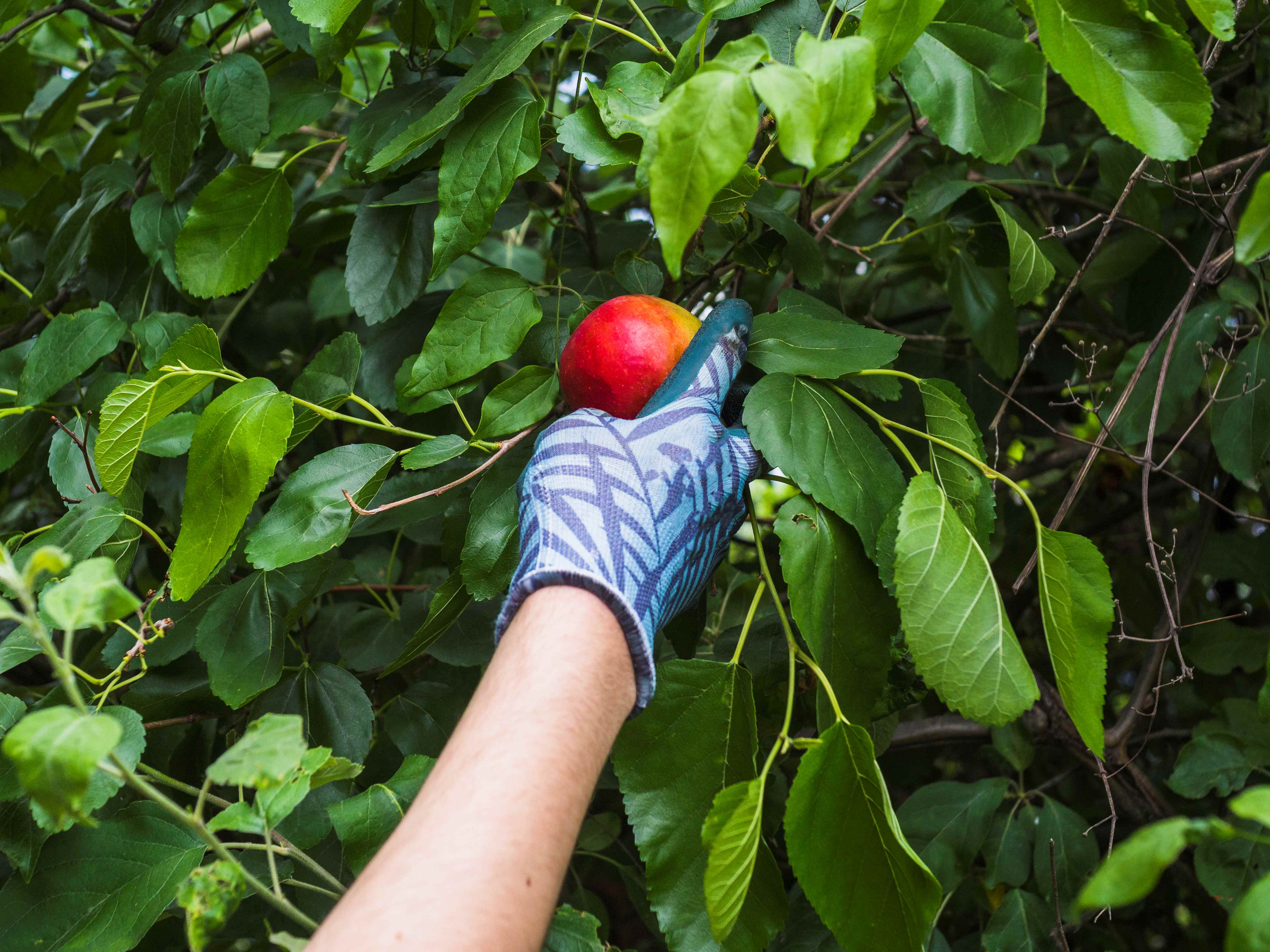
It is crucial that some of our traditional farming practices should be replaced by modern techniques, not only to ensure we get optimal quality, but also to protect our climate which includes water and soil conservation. This also directly impacts our overall health as we have to live and breathe (and thrive!) in the same environment. At the same time, customers should also be conscious enough to make efforts to find good food sources, and if needed, be willing to pay a premium for the sake of their health and not wait for an onset of a health issue. The need for this is growing rapidly and it is critical that we review our priorities and lifestyles.
Do you think consumers in Pakistan are becoming more aware of the link between food quality and health? How is Farmette helping shape that awareness?
Yes, the urban population is definitely becoming more conscious about this. Similar to the West, food choices are increasingly becoming a bit of a status symbol. Since day one, we’ve been using our social media platforms to raise awareness about the importance of farm-to-fork practices, the difference between farm-fresh and conventional produce, the nutritional benefits of regularly consuming high-quality products, the value of eating seasonally, and how nature truly works. It’s always a pleasure for me to personally receive messages from customers on a daily basis – asking thoughtful questions and showing genuine interest in these topics.
 FLWL - From Lahore With Love
Leave a comment