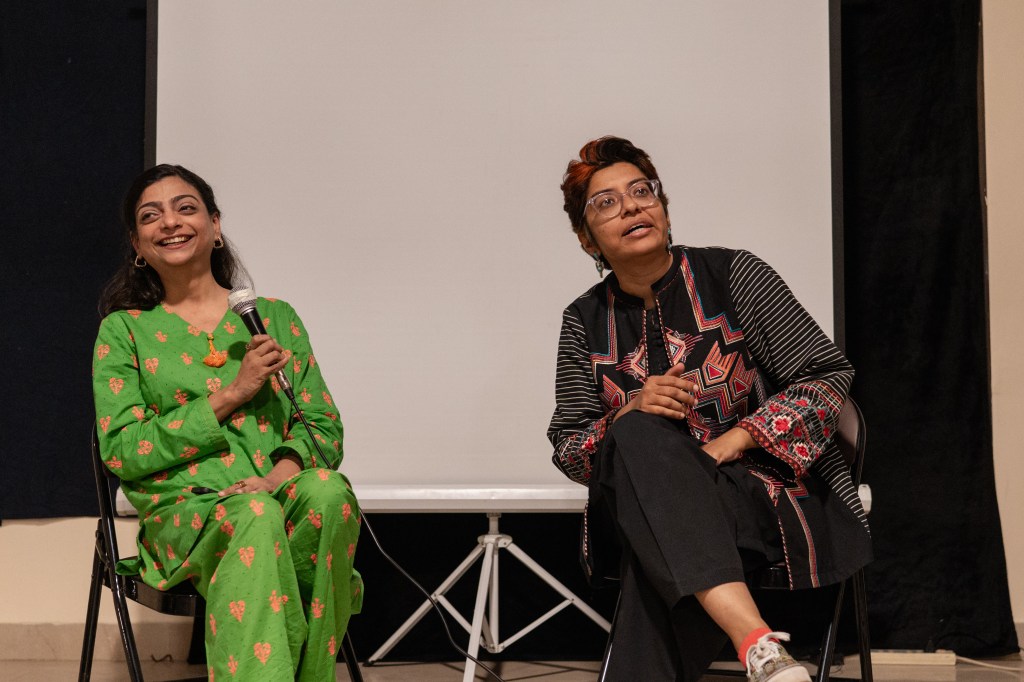
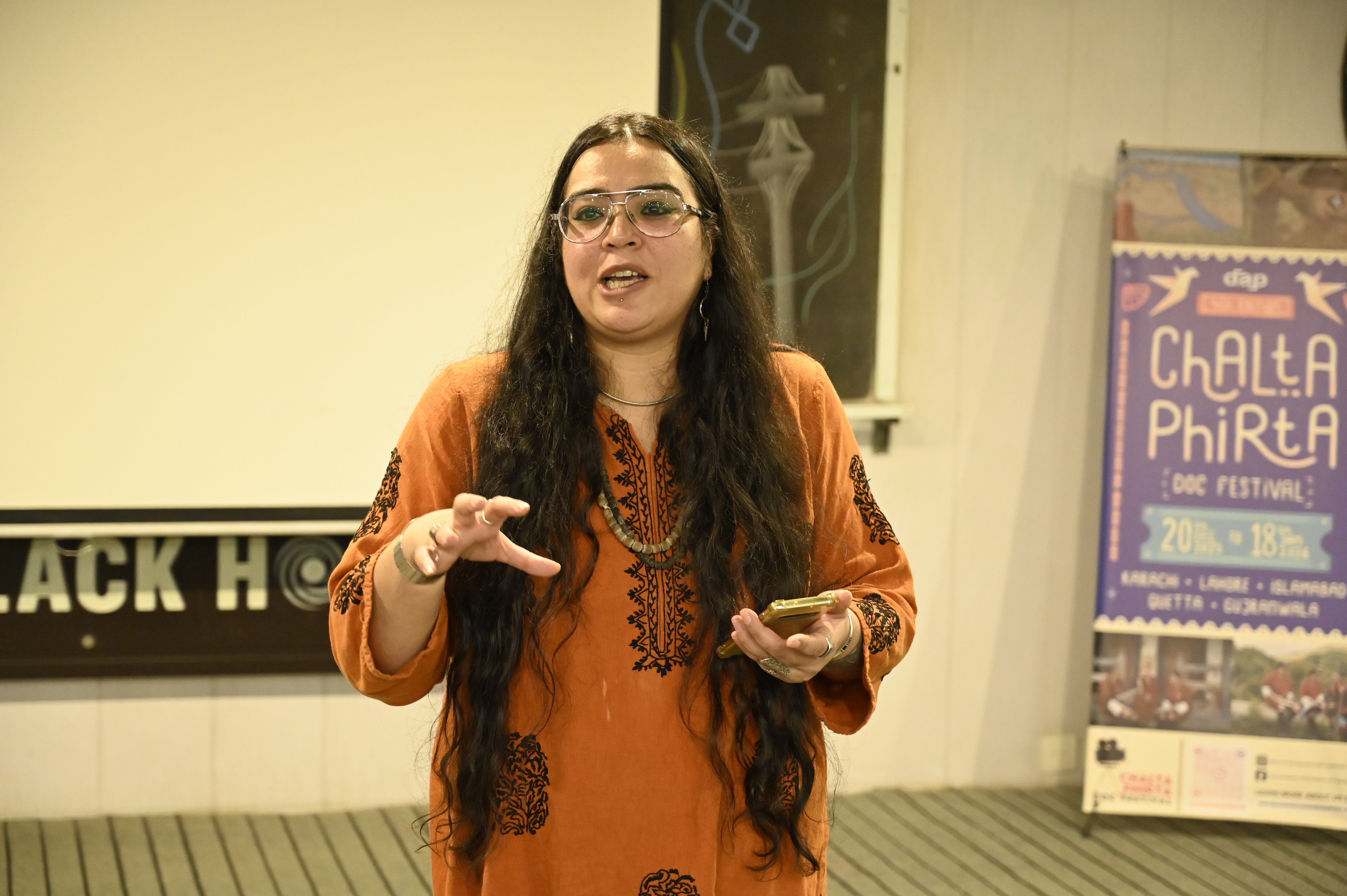
Most film festivals arrive, dazzle, and disappear. The ‘Chalta Phirta Documentary Festival’ does the opposite. It moves. This winter, the Documentary Association of Pakistan (DAP) returns with the fourth edition of its travelling documentary film festival, taking powerful, urgent non-fiction cinema across Karachi, Lahore, Gujranwala, Islamabad, and Quetta from December 2025 to January 2026. In a space where documentaries often struggle for space, the festival isn’t just screening films – it’s expanding who gets to be part of the conversation.
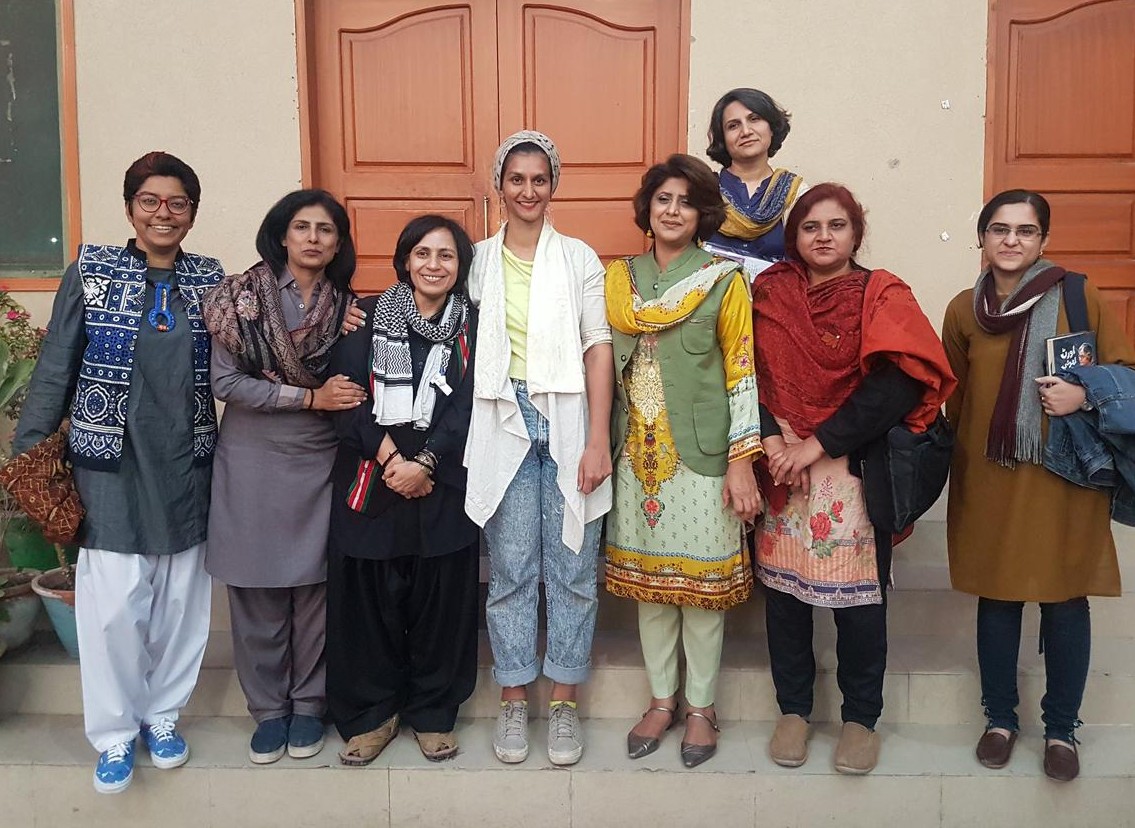
DAP was founded in 2016 by a small group of documentary filmmakers who believed that access, not appetite, was the real issue. What began as a shared concern soon became a working collective, one that continues to shape DAP’s vision and programming today. At its core, DAP is a collective of filmmakers staunchly opposed to censorship and deeply committed to creative freedom. The organisation works to strengthen minority and under-represented voices from across Pakistan, believing that documentary cinema becomes most powerful when people are supported to tell their own stories, in their own words.
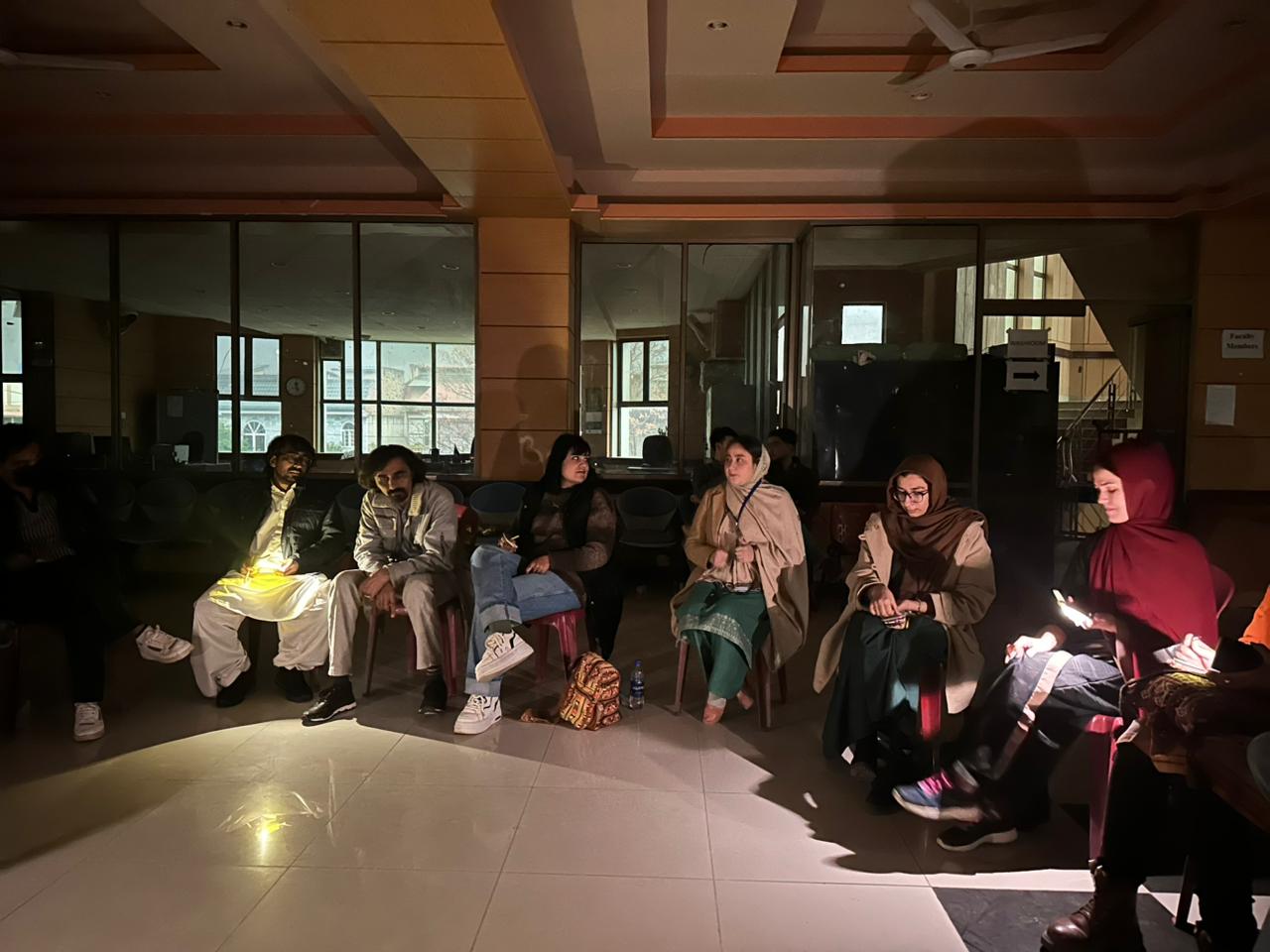
Training and capacity-building are central to that mission. DAP runs intensive documentary programmes such as Doc Gilgit, which supports filmmakers from Gilgit-Baltistan to develop and tell stories rooted in their own region, and Doc Balochistan, a six-month creative exploration where ten filmmakers from Balochistan were selected to develop documentary projects reflecting local realities. Alongside these longer programmes, DAP also conducts shorter workshops and regularly hosts talks and panel discussions, creating multiple entry points into documentary storytelling for filmmakers from different communities.
A moving archive of our shared world
This year’s lineup brings together four feature documentaries and eight short films, representing Pakistan, Palestine, Bhutan, Iran, Sudan, France, and India. Many of the films are Pakistani premieres of internationally recognised work, finally making their way back home. For Anam Abbas, co-founder of DAP and a Pakistan-based Pakistani/Canadian filmmaker, the significance of these films travelling together goes far beyond geography.
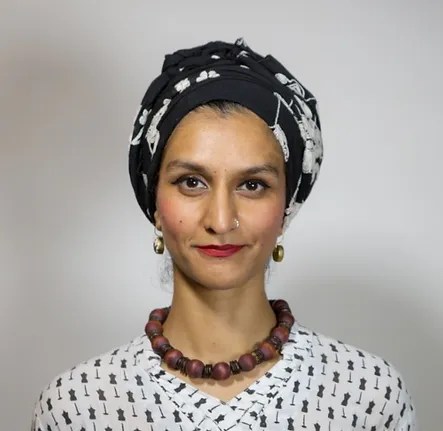
“First, I hope it is a reminder of our shared humanity which is necessary in our fragmented world. But also our curation highlights some of the very relevant experiences of tyranny and loss and the search for happiness and family that everyone can relate too. The films we have curated also invite us to think about the creative ways we can approach sometimes overwhelming subject matters in exciting innovative ways, or how just the simplicity of the deeply personal can have effects of great magnitude. We want our audiences to be in conversation with artists across the globe, especially Asia, as our solidarity is so essential for our liberation.”
It’s a curatorial philosophy rooted in honesty rather than optics, and one that understands documentary cinema as an act of connection. That idea is echoed by Tazeen Bari, also a co-founder of DAP, documentary director, producer, and cinematographer whose work has screened globally.
“Documentaries are a mirror — they tell the truth. And seeing that truth matters, especially when it comes to the nuances of people’s lived realities in the country you call home. Over the years, there’s been a lot of talk about showing a ‘positive image of Pakistan,’ particularly in social and political documentaries. But telling the stories of people who are resisting and pushing back isn’t negative. It’s not about framing at all — it’s an act of love. And that’s how awareness and understanding begin.”
For Tazeen, that commitment to truth is inseparable from community. “We started DAP as an idea between one or two people, but it quickly became a collective — a group of working documentary filmmakers asking how we can make more space for films and keep them free from censorship. That’s why everything we do is community-focused. We help each other, create opportunities for one another, and trust that collaboration is at the heart of any meaningful work.”
Beyond the usual cultural centres
The festival’s choice of cities is as intentional as its programming. By taking screenings to Gujranwala and Quetta alongside Karachi and Lahore, the festival challenges the long-held assumption that meaningful cultural engagement only happens in a few urban hubs. That rethinking of where audiences are, and what they’re hungry for, has been central to DAP’s work from the beginning.
For Haya Fatima Iqbal, co-founder of DAP, Academy and two-time Emmy-winning documentary filmmaker, educator, and mentor, the future of the organisation is about deepening presence rather than scaling spectacle. “We want to have as many solo film screenings as possible throughout Pakistan,” Haya says. “We want to partner with venues on a long-term basis, bringing one-off documentary screenings to different cities. And we want to host more rough cut screenings for works in progress, so audiences can engage with films as they’re being made.”
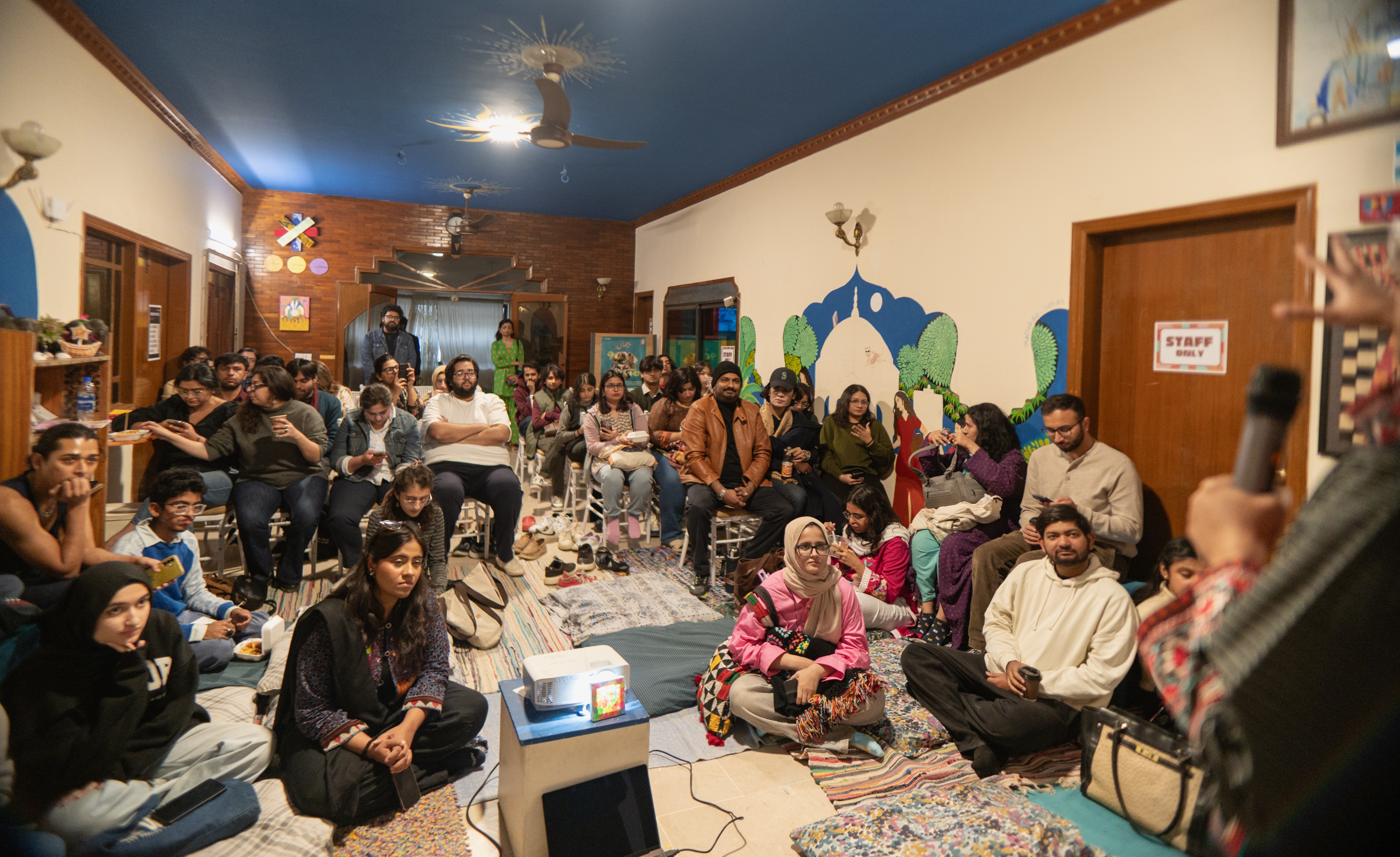
Nearly nine years in, she says, trust has become one of DAP’s strongest foundations. “People in the documentary community trust us and value our mission. These screenings give audiences more opportunities to see work and provide feedback directly to filmmakers.”
“We strongly believe that what we imagine to be cultural centres aren’t really cultural centres — they’re just places where urbanites live and work. It’s not just Karachi, Lahore, and Islamabad; there’s a vibrant cultural life beyond those cities.”
Haya points to earlier editions of the festival as proof. In 2019, DAP took films to Gujranwala, Gilgit, and Peshawar, giving audiences the chance to see their own communities and local subcultures reflected on screen. “It was very heartening to see people engage with the art and film of their own communities.”
Recognising regional filmmaking practices, especially from Balochistan and Gilgit-Baltistan, remains central to DAP’s vision. “There’s a whole robust film scene in Quetta and Balochistan — it doesn’t mean it doesn’t exist. The filmmaking styles there are so distinct, and they’re reshaping what both fiction and non-fiction cinema can look like,” she states. “So when we worked on the first edition of the festival in 2019, it was fascinating to learn about these subcultures firsthand.”
Stories that cross borders
The festival’s commitment to connection extends beyond Pakistan. Bhutanese filmmaker Arun Bhattarrai, co-director of Agent of Happiness, describes the festival as a rare regional meeting point.
“Thrilled to have this opportunity to screen our film in Pakistan. Our present in South Asia is still marked by colonial lines that divided landscapes and lives. This travelling film festival feels like a meaningful way to come together, sharing stories that carry our common histories, griefs, and hopes across borders.”
Awaami, in the truest sense
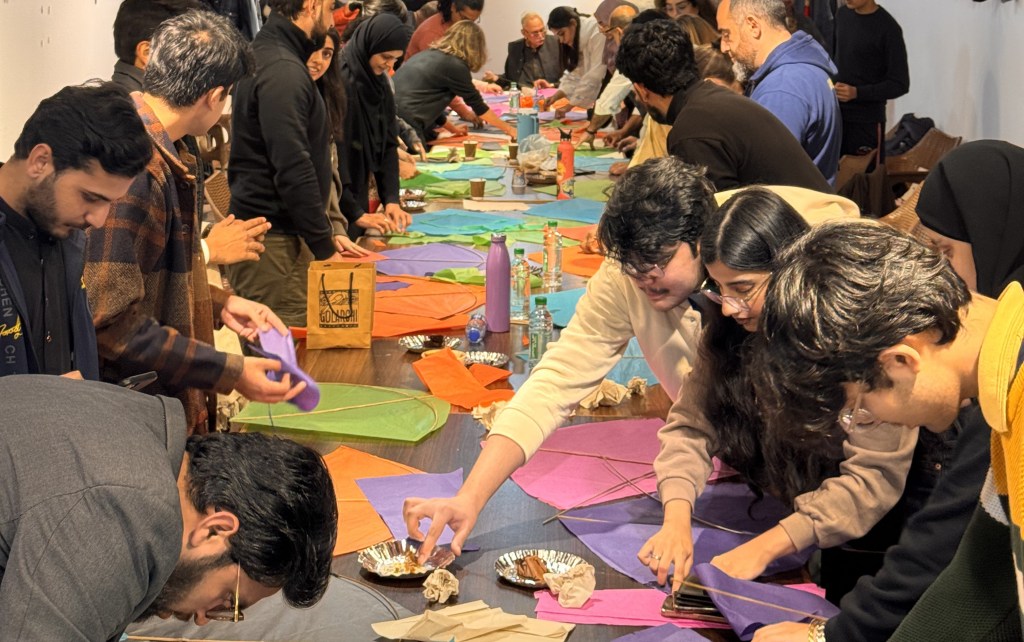
Organised through the volunteer efforts of the DAP team, with support from Movies That Matter and the Embassy of France in Islamabad, the festival is sustained by collaboration. Venue partners across cities – including Alliance Française Lahore, Nani Ghar Karachi, The Learning Hub College Gujranwala, Quetta Book Cafe, Sardar Hasan Musa College and The Black Hole Islamabad – help ground each screening in its local context.
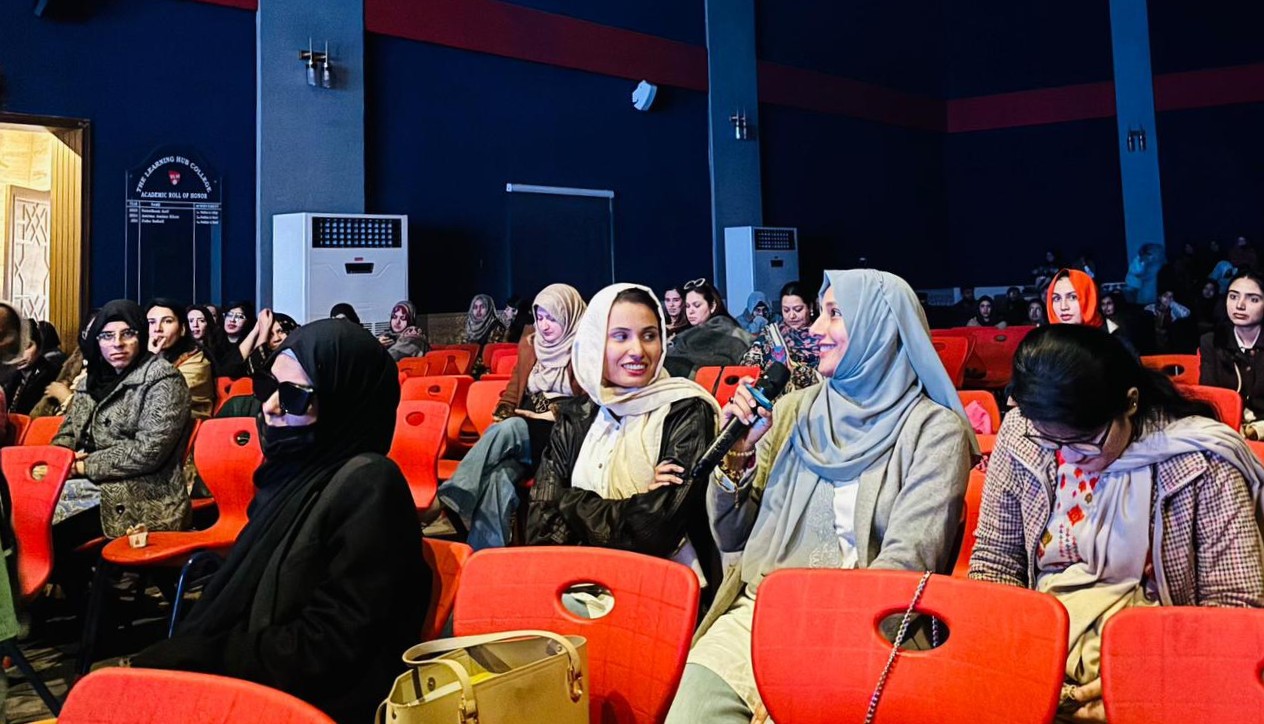
As Fahad Naveed, co-founder of DAP, filmmaker, and multidisciplinary artist, puts it; “The festival is truly awaami, in the best way possible! It takes a fair bit of effort to take these films to different cities. It’s all motivated and sustained by a strong desire to bring these stories back to the people.”
In a time marked by fragmentation, fatigue, and shrinking civic spaces, the Chalta Phirta Documentary Festival insists on gathering…on watching together, talking together, and recognising one another across difference. One city at a time, it’s reminding us that documentaries don’t just document reality. When shared widely, they help us see each other more clearly…and care a little more deeply.
From Lahore With Love was proud to join hands with DAP’s ‘Chalta Phirta Documentary Festival’ as a media partner this year.
 FLWL - From Lahore With Love
Leave a comment