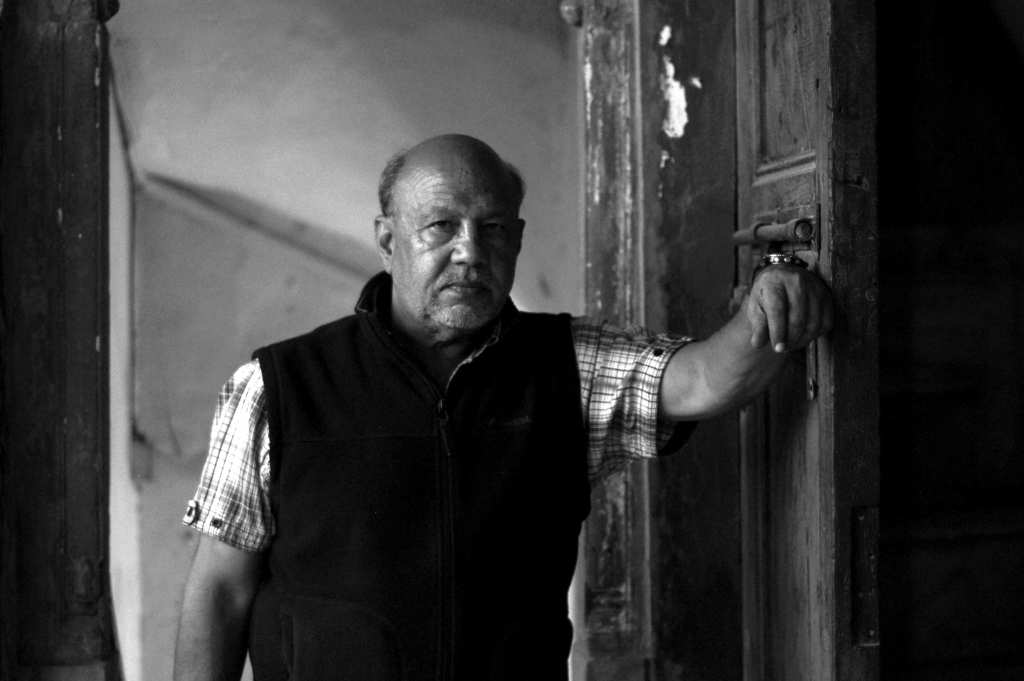
Iqbal Hussain, the Lahore-based painter whose work confronted some of the city’s most uncomfortable truths, has passed away, leaving behind a body of art that remains as arresting as it is uncompromising. For decades, Hussain painted life as it unfolded in Pakistan’s social margins, offering not spectacle or scandal, but recognition. His canvases gave presence to people long denied it, insisting on dignity where society often chose denial.
Born in 1950 in Shahi Mohalla, the historic courtesan quarter of Androon Lahore, Hussain did not observe this world from a distance — he emerged from it. The sounds of classical music drifting through narrow streets, the rhythms of dance rehearsed behind closed doors, the intimacy and isolation of lives lived under constant scrutiny all formed the backdrop of his childhood. This proximity shaped not only what he painted, but how he painted: with familiarity rather than judgment, and with emotional precision rather than nostalgia.
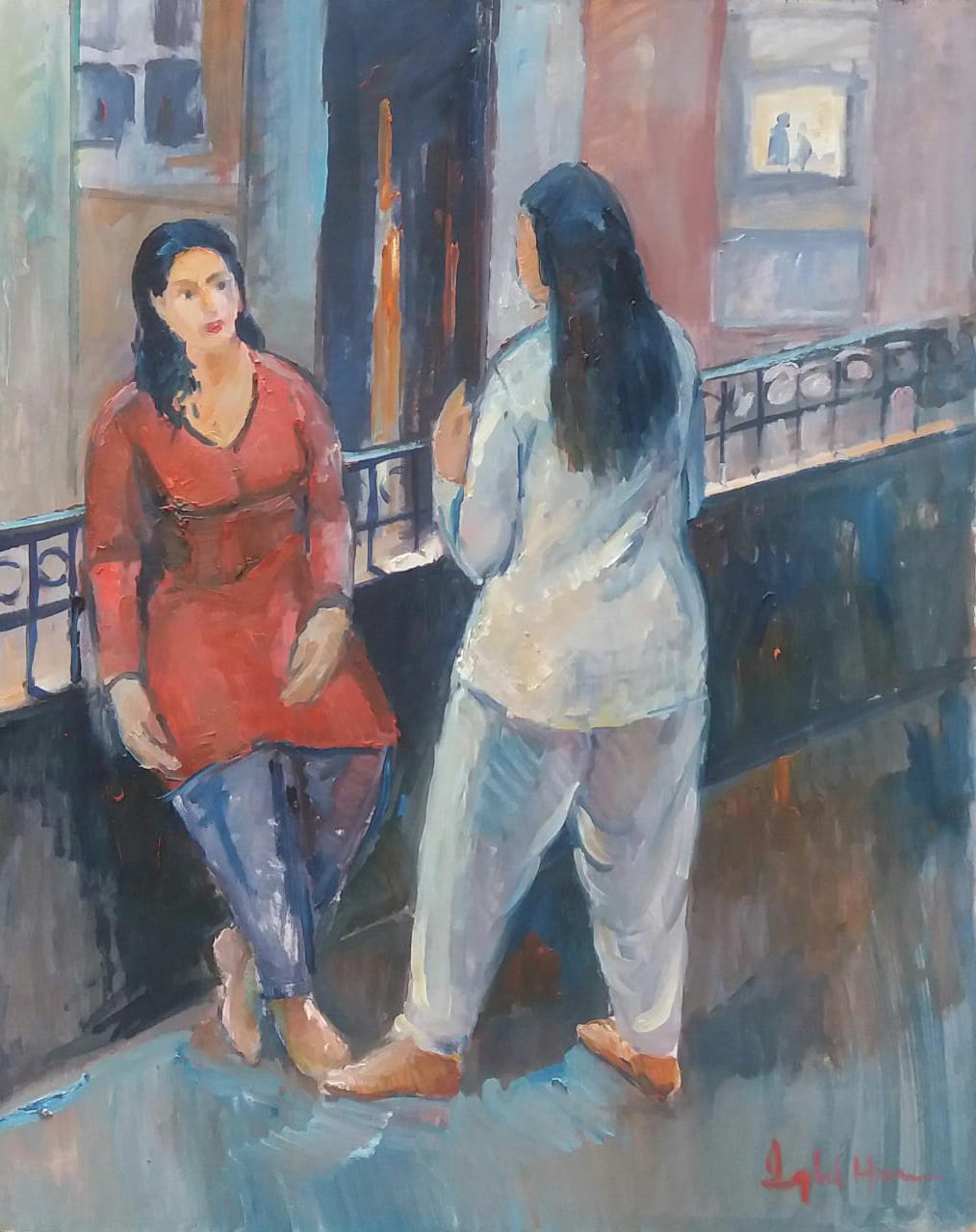
Unlike many artists who distance themselves from their origins in pursuit of acceptance, Hussain returned to his roots again and again. After studying at the National College of Arts, where he later became a teacher and mentor, he resisted the pull of safer subjects and more palatable themes. Instead, he continued to paint the women and spaces of Heera Mandi — not as symbols or metaphors, but as individuals navigating complicated realities. In doing so, he challenged both artistic convention and social comfort, forcing viewers to confront lives they had been conditioned to overlook.
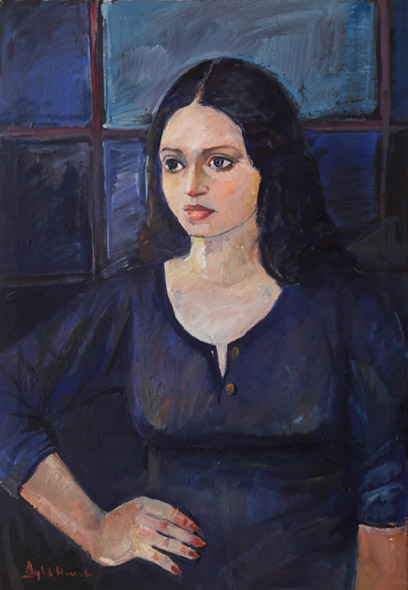
Women dominate Hussain’s work, often seated, waiting, resting, or caught in moments of introspection. Their gazes are steady, sometimes weary, sometimes defiant, always human. He refused glamour and sentimentality, opting instead for honesty — a choice that made his work deeply affecting and, at times, deeply controversial. In a cultural environment where figurative art itself could provoke resistance, his subject matter pushed boundaries even further, unsettling audiences unprepared to see such direct representations of desire, fatigue, resilience, and vulnerability.
That discomfort frequently spilled into censorship. Some exhibitions were shut down, others barred from formal gallery spaces, pushing Hussain to take his work to the streets instead. Paintings were displayed outdoors, accessible to passersby rather than curated audiences — an act that mirrored the ethos of his art itself. His defiance expanded his reach, turning controversy into conversation and cementing his reputation as an artist unwilling to dilute his vision for approval.
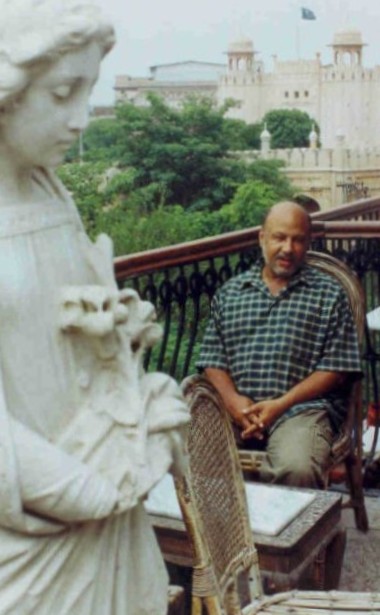
Hussain’s commitment to place extended beyond the canvas. He transformed his ancestral home in Heera Mandi into Cooco’s Den, a hybrid space that functioned as a restaurant, gallery, and informal cultural archive. It became a meeting point for artists, writers, students, and visitors — a rare space where the layered history of the neighbourhood could be experienced rather than abstracted. In many ways, it embodied his philosophy: that culture lives through people, memory, and continued engagement, not erasure.
Critics often spoke of the emotional gravity of Hussain’s work — not because it sought drama, but because it carried truth. His paintings demand time and attention; they do not perform for the viewer. Instead, they ask to be witnessed. Through careful composition, restrained colour, and expressive restraint, Hussain created images that linger long after they are seen, quietly reshaping how viewers understand both art and the city it reflects.
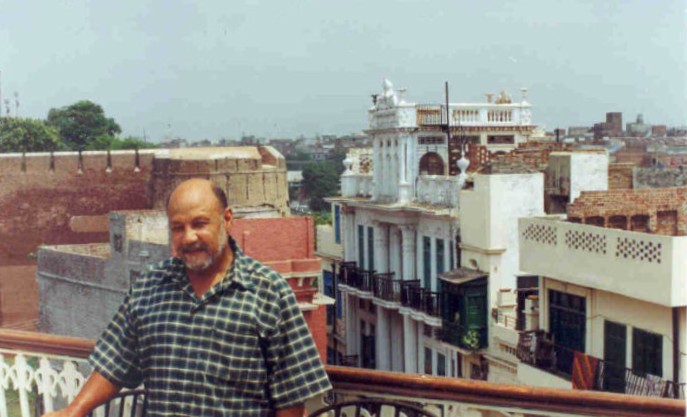
Until the end, he remained resistant to trends, commercial pressures, and the temptation to soften his message. He painted Lahore as he knew it: intimate, fractured, resilient, and alive with contradiction. In drawing his art from a world many wished to forget, Iqbal Hussain ensured that it would not be forgotten at all. His legacy is not just a body of work, but a way of seeing — one that insists on empathy, presence, and the courage to look directly at what lies before us.
Header image by: Mobeen Ansari
 FLWL - From Lahore With Love
Leave a comment