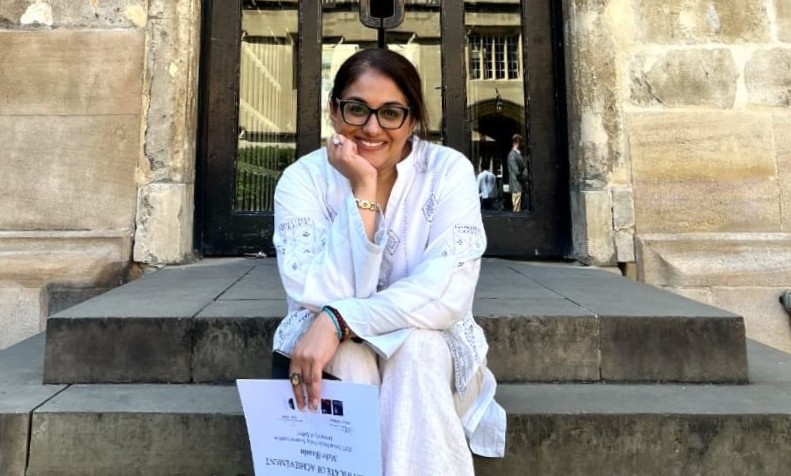
This week, Mehr F. Husain writes about resistance, Indie publishing, and what it takes to give voice to writers long pushed to the margins.
By Mehr F. Husain
So you want to be a writer…
Getting published by one of the big 5 is the ultimate dream.
Let’s rephrase it.
Wouldn’t one want to work in the biggest companies on the planet? Perhaps now, after the revelation of the dirty economic streams stretching from Epstein to the Palestinian Genocide, there might be some rethinking. The privilege of having the freedom to think unlike the millennials who got caught up surviving parents and children.
Now. Let’s go back. (By the way, this is what the editing process is like!)
Wouldn’t one want to hand their work over to an elite, corporate, capitalist entity that may not necessarily be interested in the story you have to tell (so sorry but this isn’t a counselling service or a charity) but rather how easily and quickly you can be sold? Oh, only to be relegated to the 200+ published for commercial activities (Walmart and airport lounges).
Not the most appealing offer but hey, if it works for you, sure. Just make sure you have enough steam to be the Madonna of publishing otherwise, there’s a sell-by date which applies the minute you sign the contract.
Enter the indie publishing sector.
Free from the limitations of capitalism but shackled by poverty, yet free in spirit and a mighty heart.
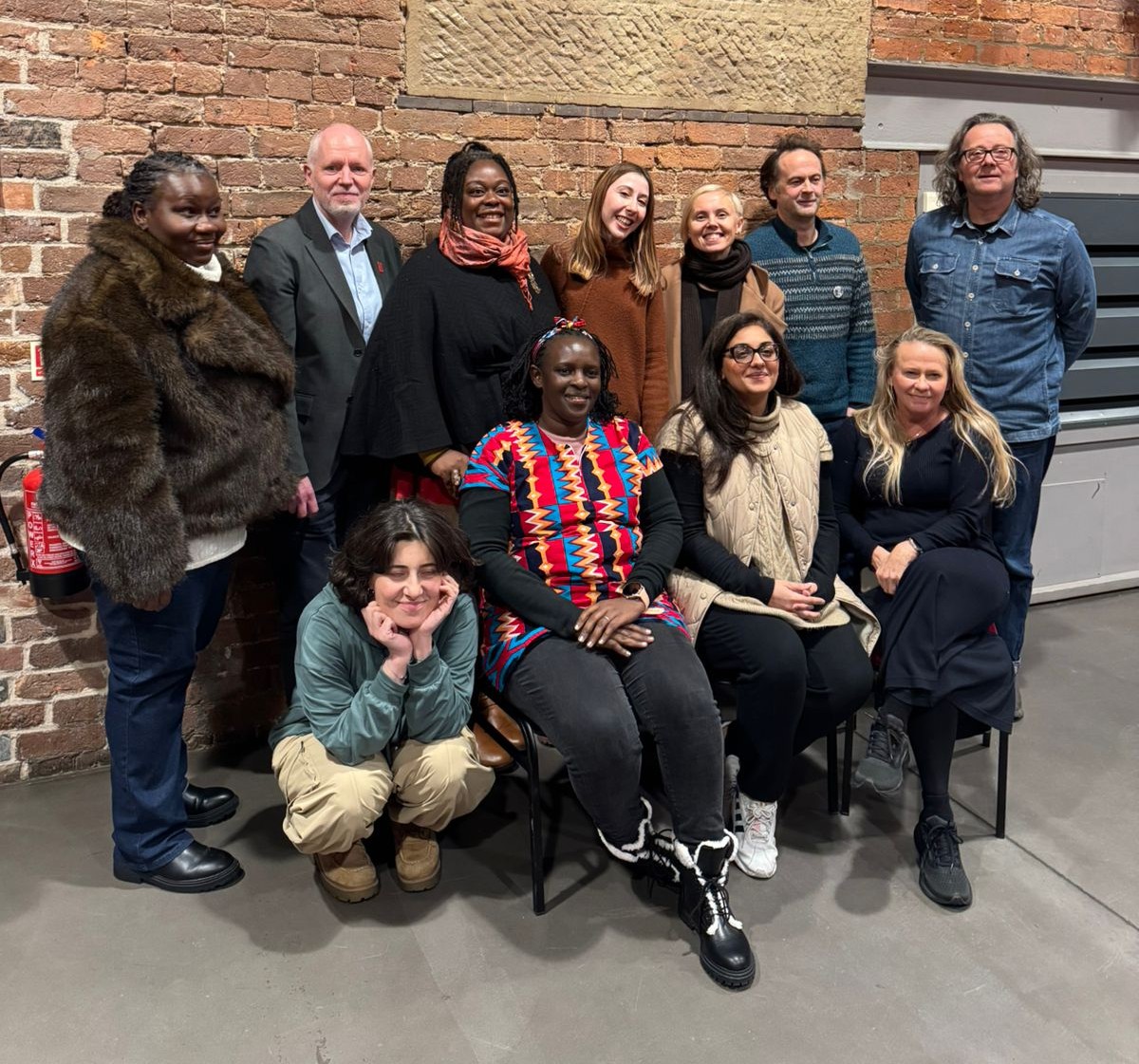
These were my thoughts – cliched much but there is truth in them – as I sat in Manchester on a cold afternoon. If ever there was a slice of heaven, a piece of peace, divine revelation, manna from heaven, it was at that moment because there in that room, as various indie publishers’ worlds collided peacefully, there was mutual sense of recognition, dignity and respect, all increasingly rare in this polarised world.
The year 2025 ended with a most symbolic end. It marked 5 years of ZUKA Books, my little but fiercely independent publishing platform (a one-woman show doesn’t quite make a house) that I established in 2020 as an act of resistance. I now look back and smile at the sulkiness of how it began – the books ban imposed by Pakistan on books from India and the lack of publishing support in Pakistan. If I had to do something, I was going to set my own rules.
Looking back now, ZUKA Books snowballed even though it was a bit of a rolling stone, rumbling on what was a very rocky track but quite a historical journey. It became a part of the UN Publishers compact advocating against waste and pushing for more sensible print runs with book covers that decided to tell the world to shove it. Juvenile much? But in Pakistan we tend to live life at an older age and for a toddler of a publishing entity, I thought it behaved rather well.
Next thing I knew I found myself in even more surreal territory. From being one very small entity, it was up against global giants as a shortlisted nominee for a UN Asia Pacific Award and then for the prestigious Prix Voltaire.
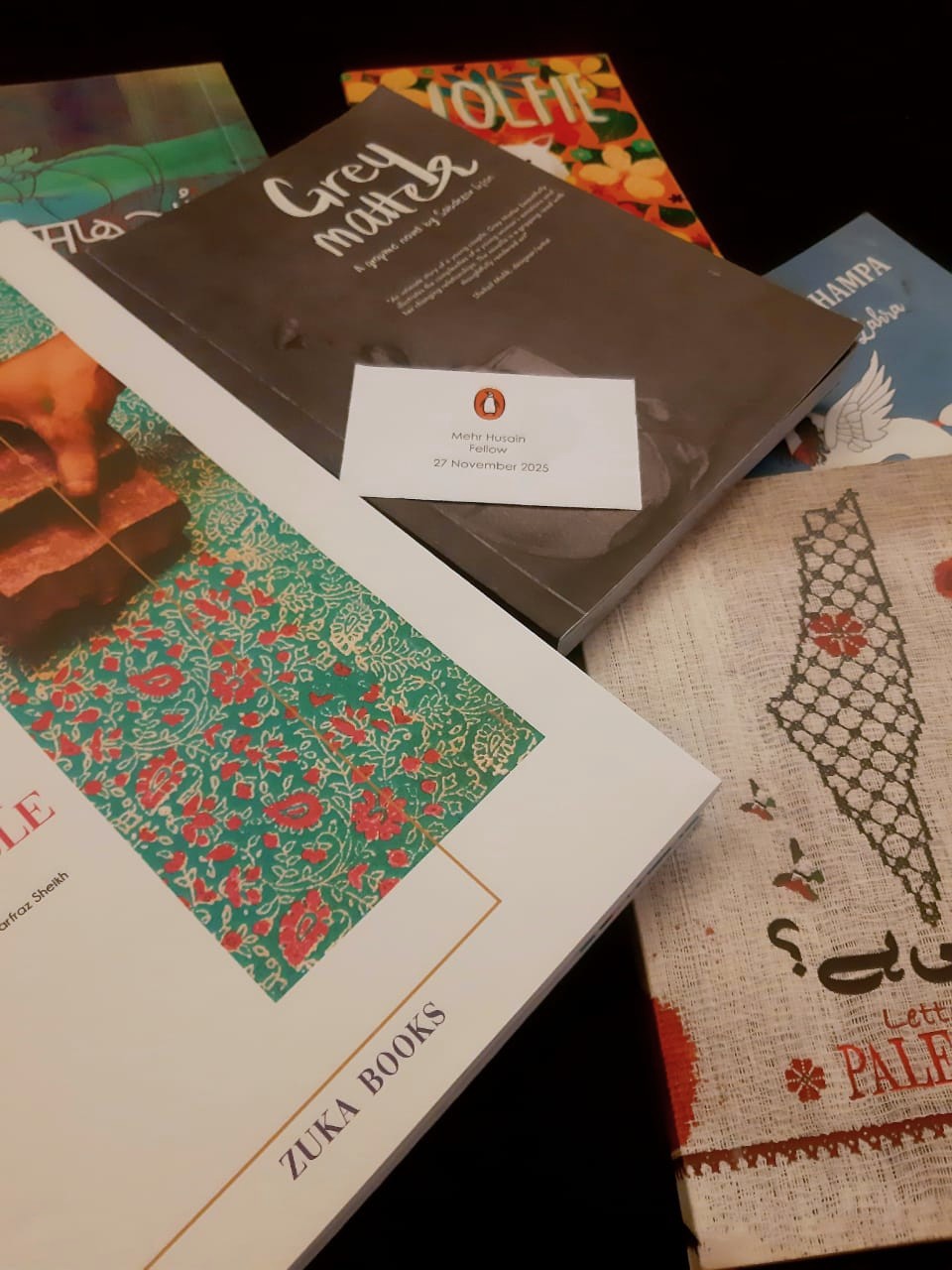
The books went down different journeys of their own. From street children living their dreams through Wolfie’s adventures; to mental health being normalised in a campaign with the Pakistani fashion brand Generation; to the world’s first anthology addressing the Palestinian Genocide; to students discovering Pakistan through cultural history and fashion and feeling inspired to write their own graphic novels after Grey Matter; ZUKA Books found itself in a cycle of self-challenge with each publication smashing through musty norms.
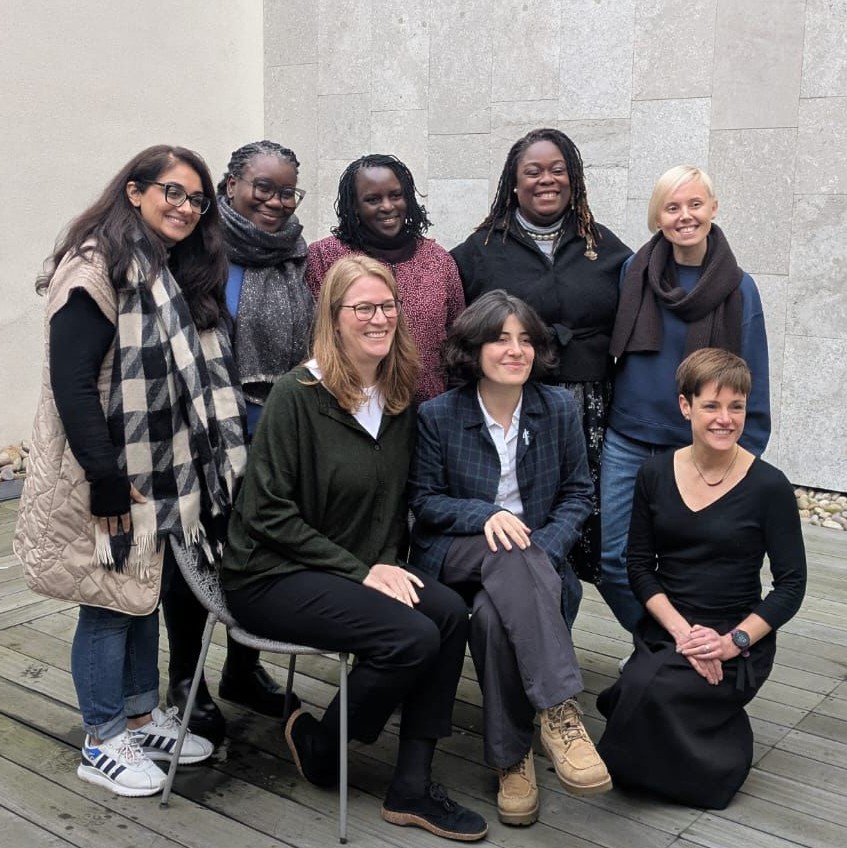
I suppose somewhere something must have worked out over the 5 years period because then came the International Publishing Fellowship offered by the British Council. A group of five female publishers from across the globe found themselves talking about wars, books, children and husbands in cold London.
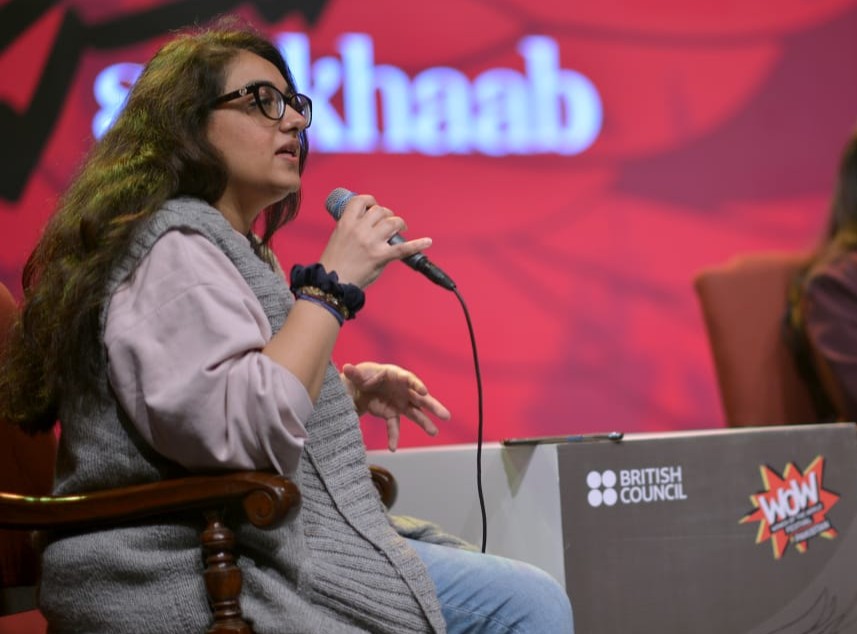
Pakistan was being represented for the first time and all I could think of was: how do I do justice by a community of writers punished by the international community due to geography and denied critical skills by their own homeland?
And so began days of conversations, negotiations, explanations with some of the biggest publishers on the planet in London and some of the most incredible indie publishers in Manchester.
Walking through the corridors of Penguin Random House and Bloomsbury, the Global South was decoded, South Asian publishing broken down into Pakistan Vs. South Asia and shared thoughts of the machinery of publishing were exchanged.
However, it was at the Anthony Burgess Foundation in Manchester where we found ourselves forming friendships over the struggles of indie publishing, laughing and sharing the most heartfelt stories of why we started what we did.
There’s a strange feeling walking through the halls of the bigger publishers. Everything is shiny, so clean, so sterile. Yet you know these are the ones who formed your initial reading and how to behave, sit and present oneself to polite society.
Yet, having met an indie publisher and there was a refuelling of that insatiable fire, the overpowering belief that there is more to this, more to life. The publishing war wounds that scar for life, those were the storylines that defined storytelling.
Pakistan falls in the South Asian market. For years, during acche din, Pakistani authors found themselves being signed on by publishers including the Big 5 in India and then their work was sold back to the Pakistani market at higher prices. It was a system that worked – for India’s population forever hungry for Pakistan, the publishers delivered monetarily and the international community was happy with South Asian being dominated by every country other than Pakistan (even I shuddered there), beyond the Pakistanis who had successfully crossed the Channel and the Atlantic.
Enter populism, right wing politicians and well, acche din became the Good Old Days. Suddenly Pakistan is no longer part of the South Asian market because ‘Pakistani books don’t sell.’ I suppose Netflix has it wrong then.
Irony is, Pakistan has such a rich literary heritage it is criminal it is not taught in schools. From females founding the first of their kind’s newspaper, magazines, books, articles, e-zines and more, all of that remains hidden.
Feminist literature that highlighted injustices faced by all genders, taboo shattering literary swords, the rawness of life sheathed between prose, it all existed in country that sadly has and continues to be reduced to utterly mind numbing, repetitive rounds of political cycles that have less steam than a cup of tea.
But nope, nothing compares to the Big 5. Mega, corporate entities pumping money like sewage pumped into the sea, the glamour, glitz… makes one question the capitalist machinery behind the supposed literary lyricism of it all.
Thankfully, for once, I am not the only one questioning this. But after this, as always, I will face the heat for putting it out there.
What if I told you Julia Roberts picked up a book which she loved so much that she rang the publisher wanting to speak to the writer herself? I bet you’re already googling this and wondering WHO this could be and which of the Big 5 published.
The book was published by an indie publisher, Bluemoose Books who literally said up yours (!) to the snooty London literary lot only to build a publishing house with writers, snapped up by the Big 5.
Oh dear. This wasn’t supposed to happen. But right there, I saw my own reflection and how ZUKA Books came to be. We aren’t that different after all.
But there it is. Even commercial activities recognise the power of storytelling and how that matters more than anything else. And while Amazon may be credited with making everyone believe they can write and write well, the Big 5 have realised literary agents may not necessarily be where they can find the best writers. Sure, they can find good writers but they want the Best And Only The Best Because They Are The Best… Or Were Till Pesky Indie Publishers.
Yet that’s just it. Indie publishing has gone from strength to strength. Wherever I have looked, I see the same spirit – not of defiance, resilience, determination or any of that stuff. Nope, I see indie publishers, embodying humanity, walking down paths of lived lives, lives of lived experiences and overtime there is the silent strength that comes from Doing The Work. And guess what? The Big 5 are hooked.
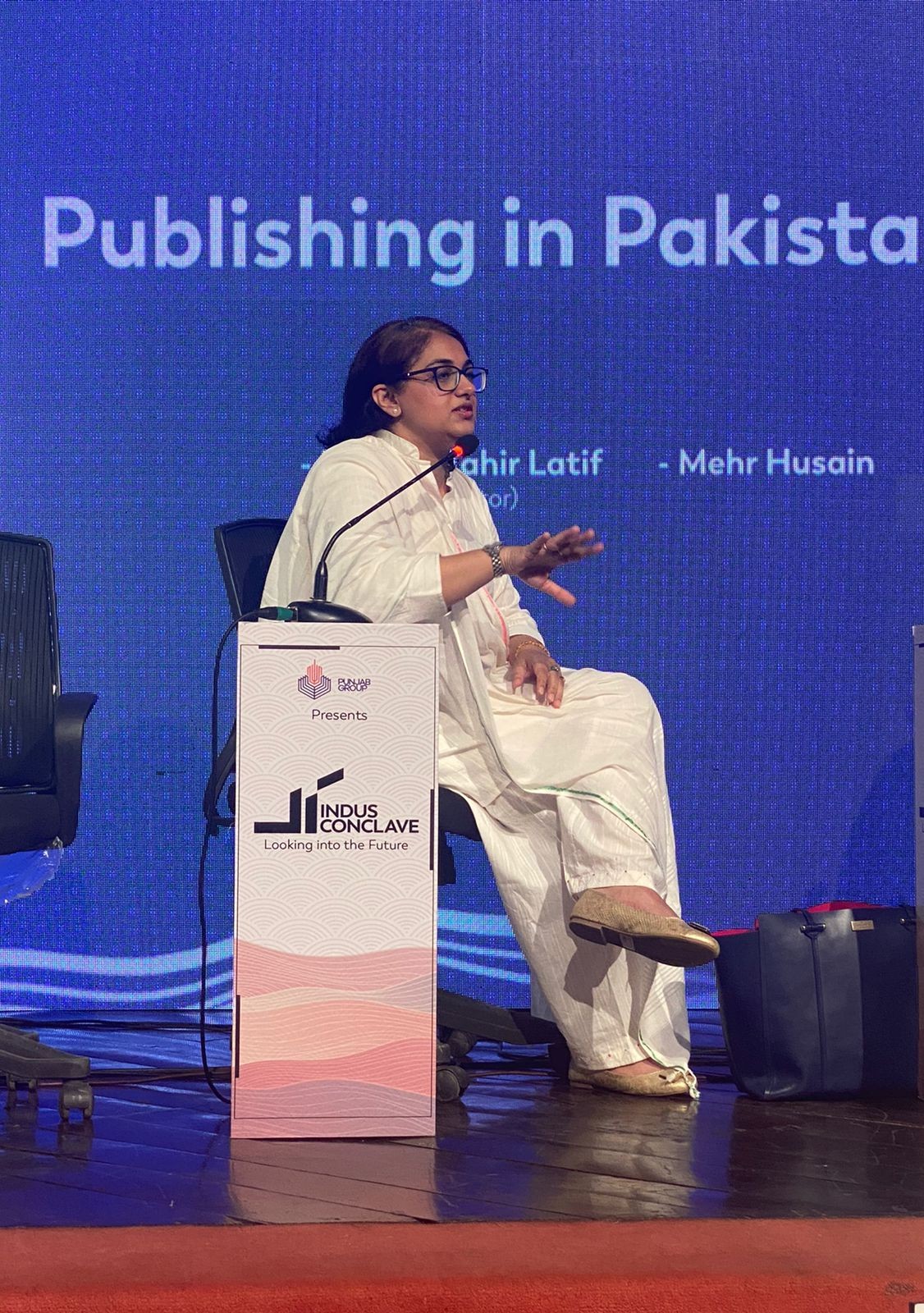
Over the past few years I have seen a burst of Pakistani authors who have gone down self-publishing, which is completely respectable. Commerciality is the means to sustain but what is more remarkable is the independent thinking which has diverted from wanting to get a seat at the table to building their own.
Every now and then I see an author put up the cover of a thesis by a student who wrote about that author’s book and that in itself is worth more than an international publishing deal simply because of the impact. Give me that over presence at a Walmart where honestly, the paper waste is enough to make my soul shrivel up. (Word on the street is the Big 5 have captured the paper market. So, any indie using that beloved book paper? Massive win a la Robin Hood style).
Where do we go next? As the entire BIPOC (Black, Indigenous, and People of Colour) movement dies a painful death, consumed by its own hollowness, indie publishers have gained more ground on validity and sticking to quality storytelling. As the industry shifts towards sustainability and AI looms as a threat, it is inevitable the Big 5 will be turning more towards indies to pick up authors – after all the hard work is done.
Will Pakistani writers finally accept this reality? Not anytime soon (polite society n’ all). But on the other hand, the indie publishers who have fought and continue to fight the good fight are the ones that are holding the flag high and I could not be prouder of them.
So where do we go from here? For now, quite happy, watching the wheels go round.
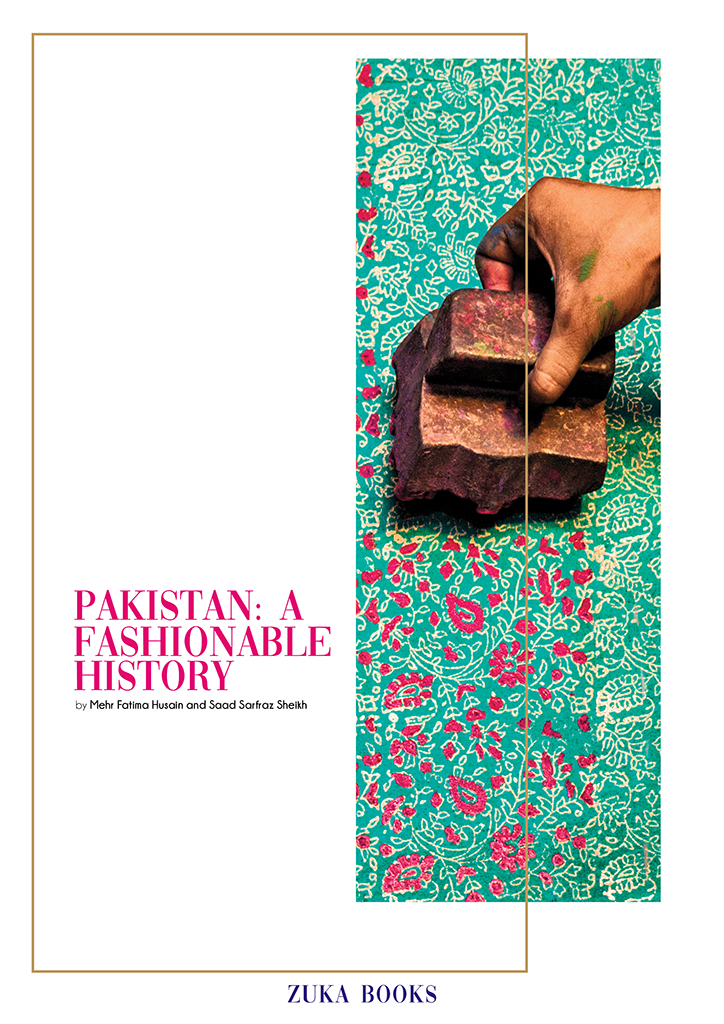
The author is the founder of ZUKA Books, a pioneering Indie publishing house from Pakistan. In 2023 it made history as the first Pakistani publishing entity shortlisted for the IPA Prix Voltaire Award for exemplary courage in upholding the right to publish and enabling others to exercise their freedom of expression. It has fought for authors rights, sustainable publishing practices and advocated for freedom of creative expression. ZUKA Books was also a shortlisted nominee for the UN Women Asia Pacific Award in 2021. Its non-fiction book, ‘Pakistan: A Fashionable History,’ was the only South Asian publication part of the Queen’s Platinum Jubilee Celebration in London.

 FLWL - From Lahore With Love
Leave a comment