On a quiet winter morning, the Lahore Fort revealed parts of itself that had long remained in the background – spaces shaped by ritual, power, and everyday life, now carefully brought back into view. On 25 January, this month, three historic monuments within the Fort – the Loh Temple, the Athdara Pavilion, and the Sikh-era Hammam – were officially unveiled following extensive conservation work, marking a significant moment in the ongoing effort to preserve one of South Asia’s most complex architectural landscapes.
The restorations form part of a broader initiative titled, Preservation and Promotion of Cross-Cultural Edifices of Lahore Fort, a programme that seeks not only to conserve individual structures, but to foreground the Fort’s layered identity. Over centuries, the site has absorbed Mughal grandeur, Sikh authority, Hindu ritual practice, and later colonial interventions. Earlier phases of the initiative saw the revival of the Sikh-era Temple and the Imperial Zenana Mosque. With these latest unveilings, seven key monuments within the Fort now stand restored, each representing a distinct chapter in Lahore’s long and plural history.
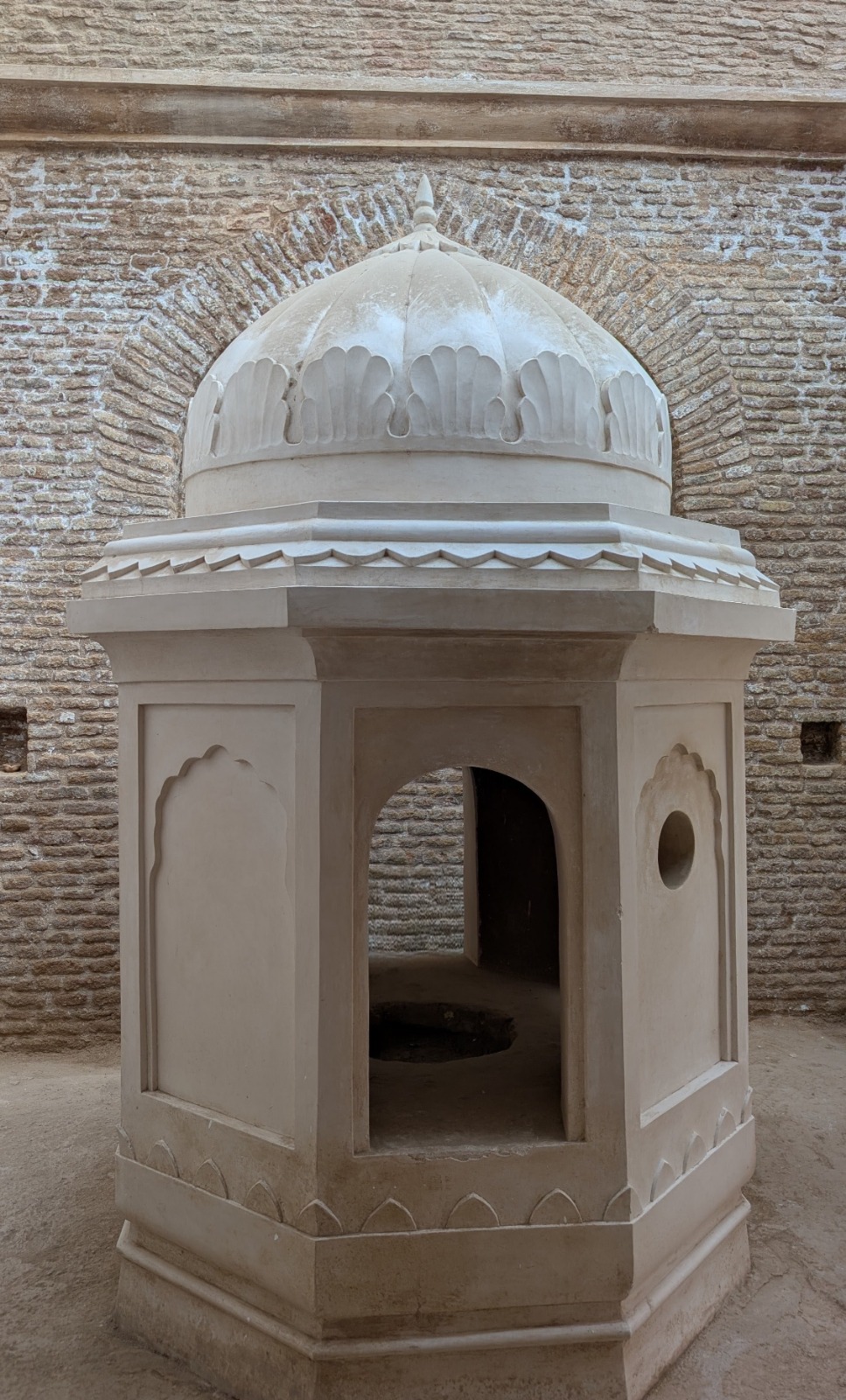
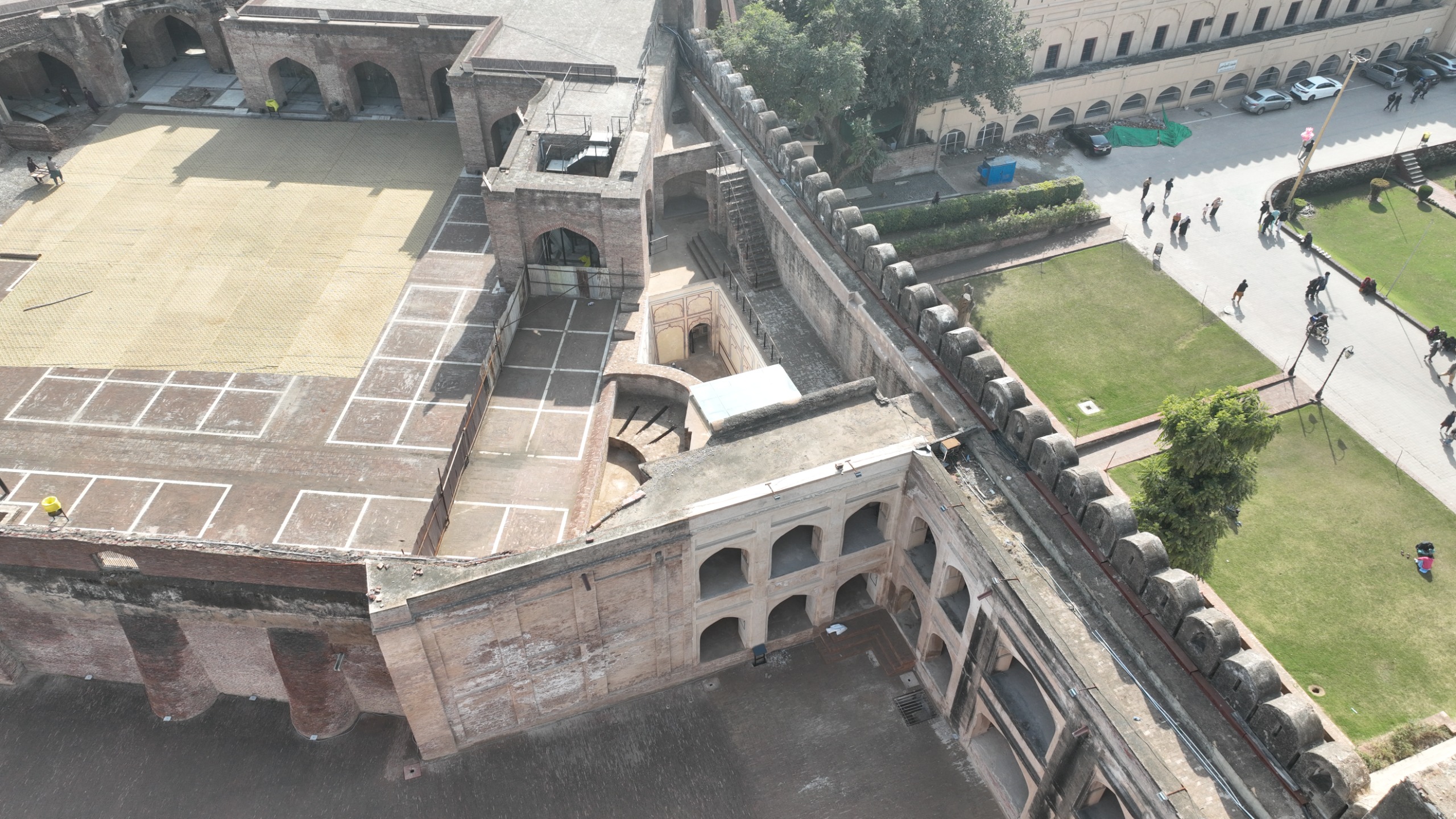
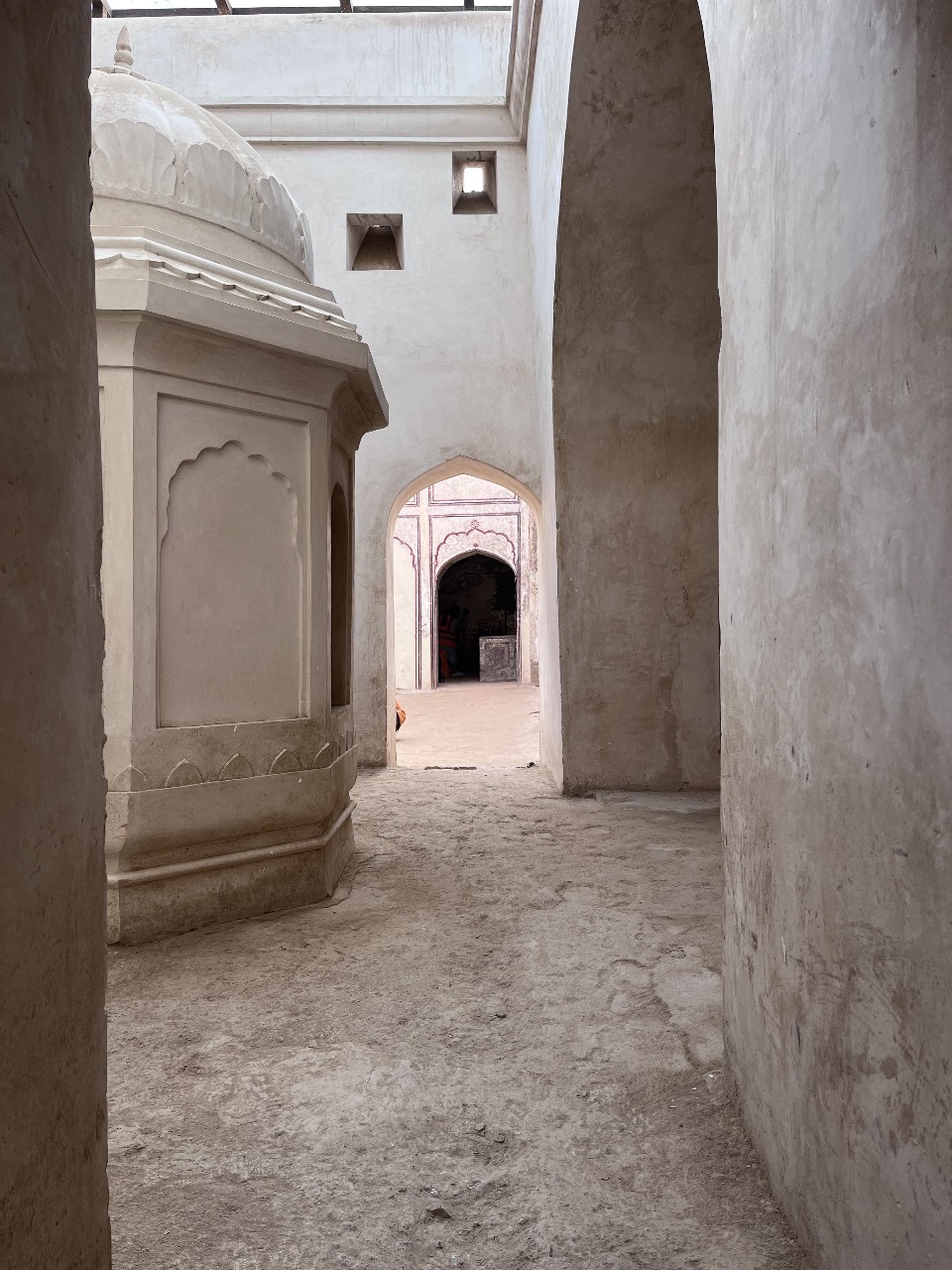
Wandering through these spaces today, it becomes clear that the Fort is not a singular monument but a palimpsest. Near the Alamgiri Gate, the Loh Temple complex unfolds through interconnected chambers that bear traces of Hindu ritual life, alongside architectural modifications introduced during the Sikh era. Its location and spatial arrangement speak to a time when sacred practice existed openly within the Fort’s daily rhythm.
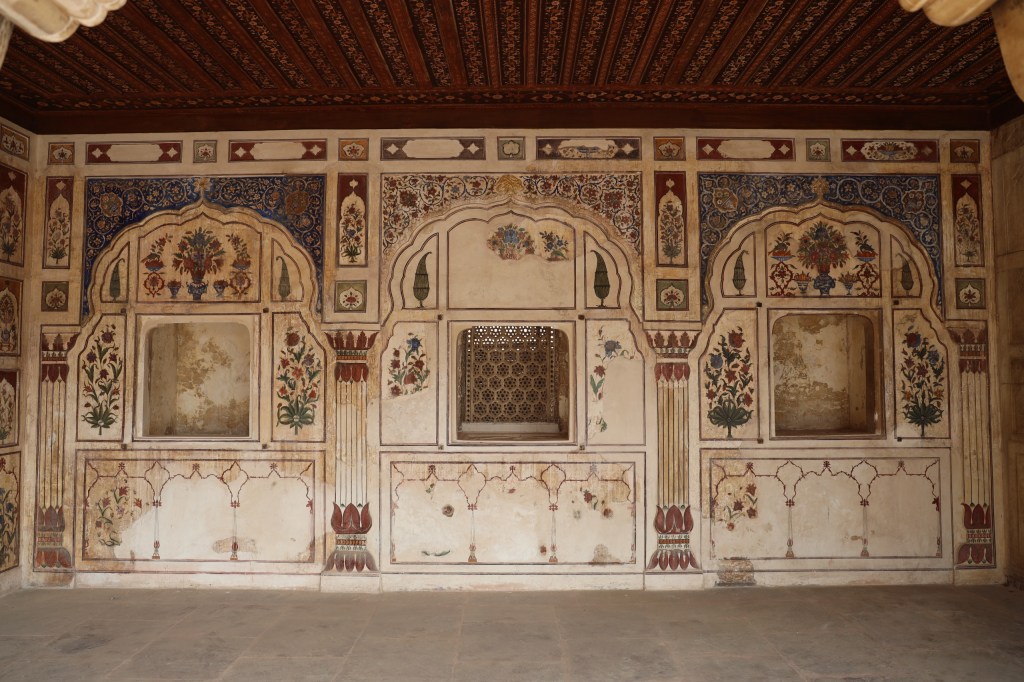
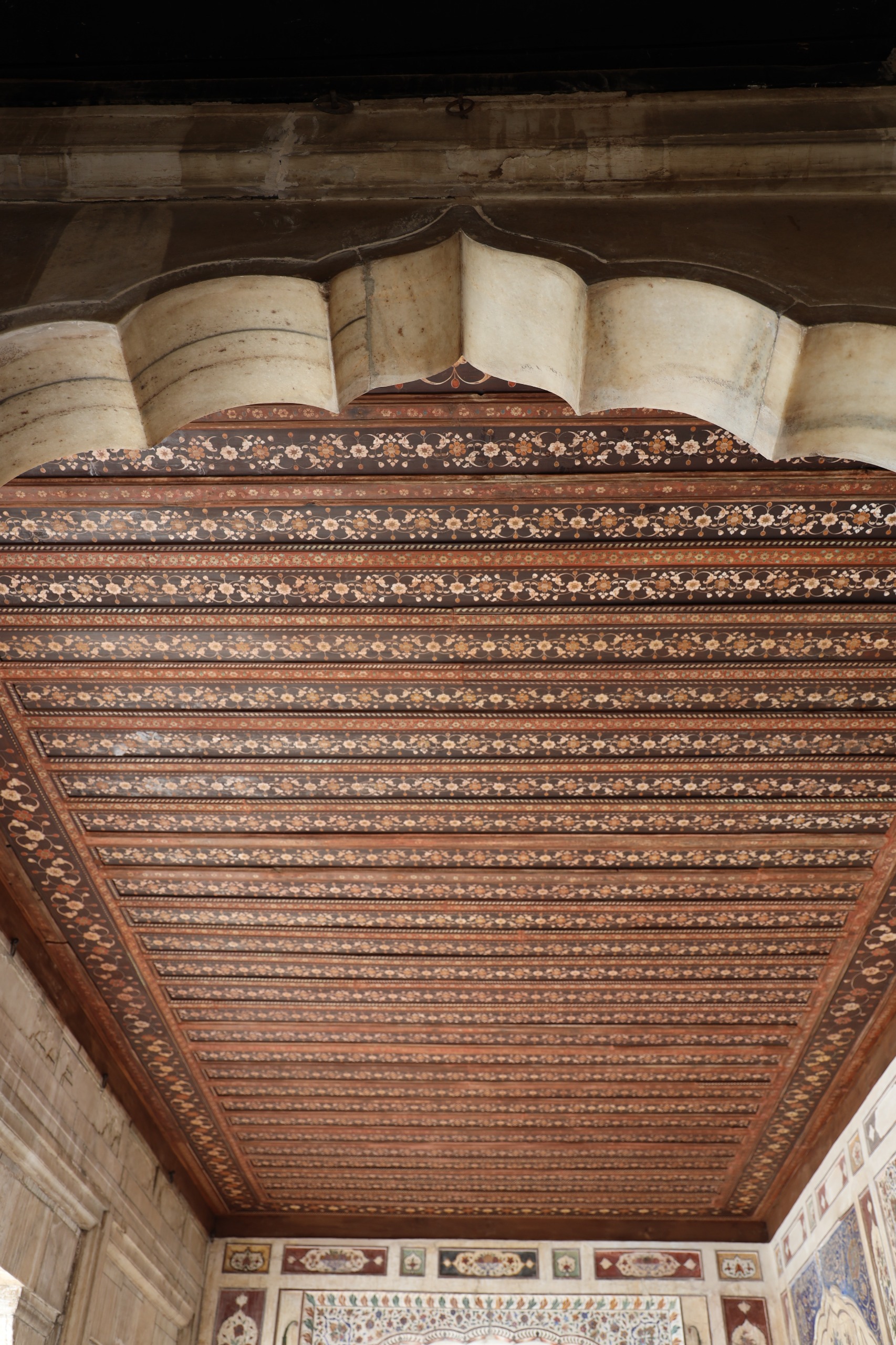
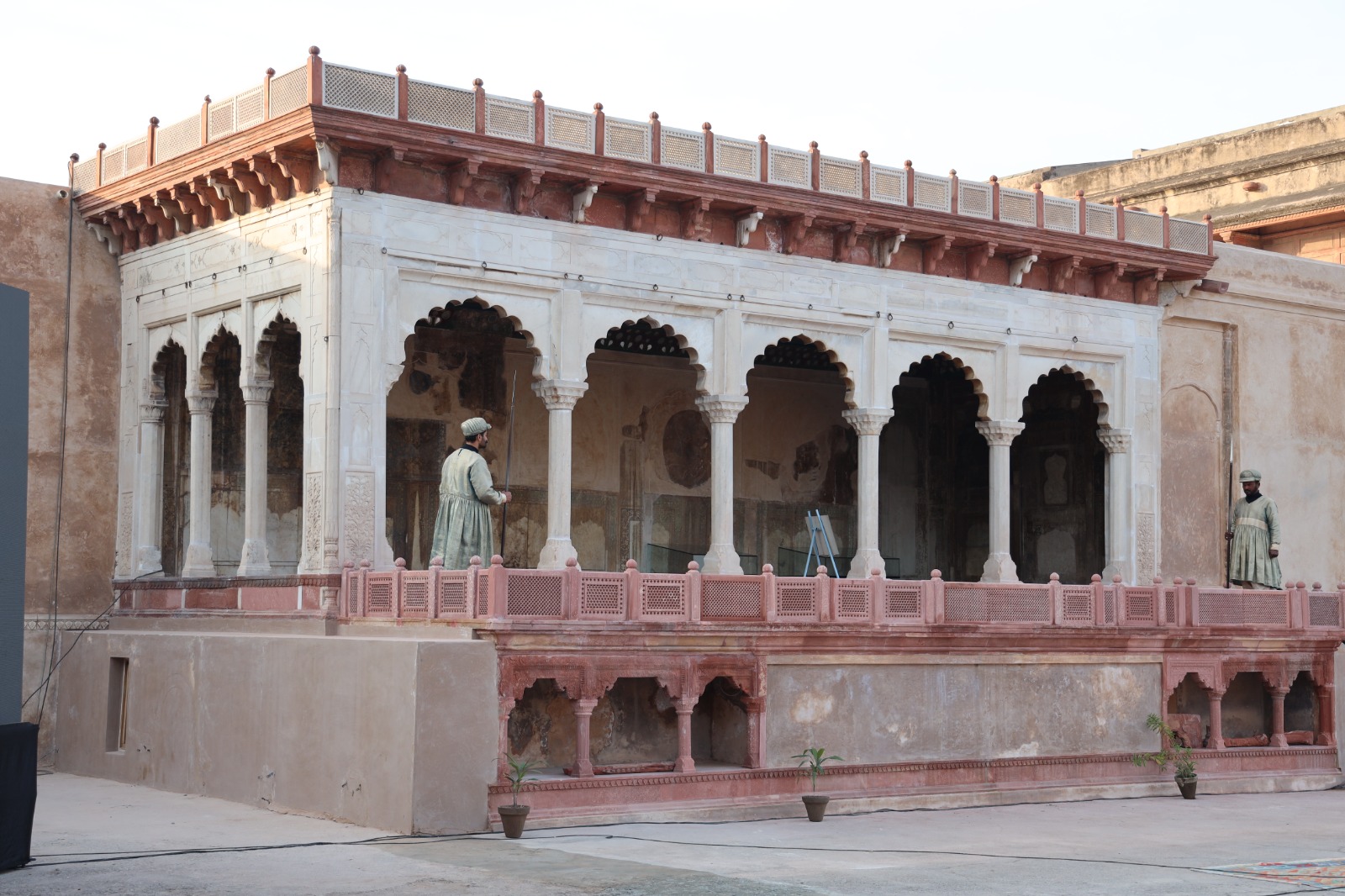
Further inside, the Athdara Pavilion sits quietly in the northwest precinct of the Shah Jahan Forecourt Quadrangle. Built during the Sikh period, it once functioned as a public court, an unassuming structure that nonetheless held immense political and cultural significance. Just beyond it lies the Sikh Hammam, positioned at the northeast corner of the Sheesh Mahal Quadrangle. Originally constructed under Emperor Shah Jahan and later adapted during Sikh rule, the hammam reveals exquisite oil paintings on its surfaces – fragile, intimate details that survived beneath layers of neglect and time.
The conservation work was carried out by Aga Khan Cultural Service – Pakistan (AKCS-P) in partnership with the Walled City of Lahore Authority (WCLA), with funding provided by the U.S. Ambassadors Fund for Cultural Preservation. During the inauguration ceremony at the Shah Burj Forecourt, conservationists, academics, policymakers, and members of Lahore’s arts and cultural community gathered to witness the reopening of these sites, not as relics, but as active parts of the city’s cultural ecosystem.
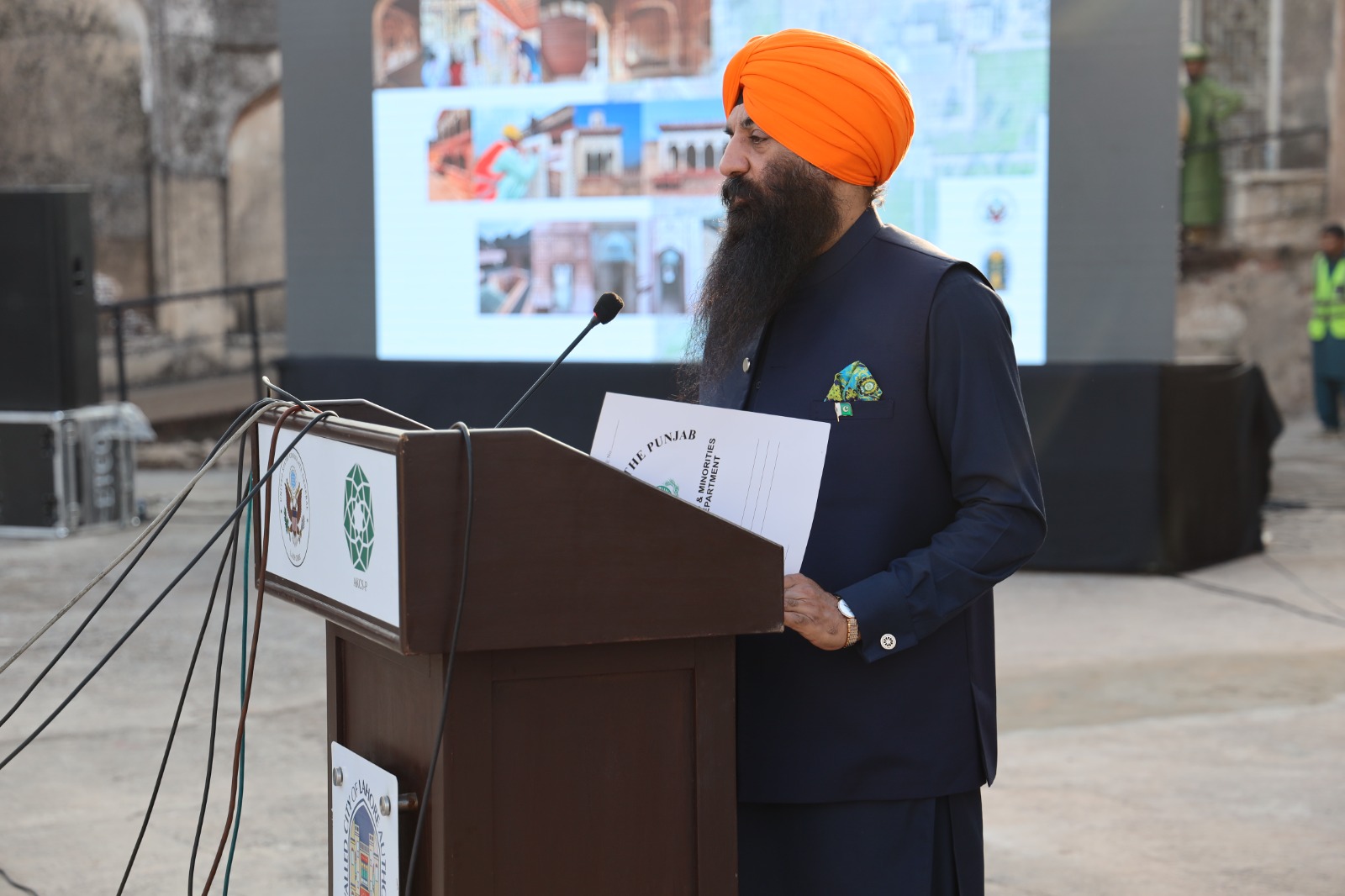
The ceremony underscored a shared understanding: heritage preservation is not an exercise in nostalgia, but an investment in continuity. Speakers reflected on how restored monuments can foster deeper public engagement, strengthen cultural identity, and create opportunities for education and tourism, while reaffirming the importance of international and local collaboration in safeguarding shared histories.
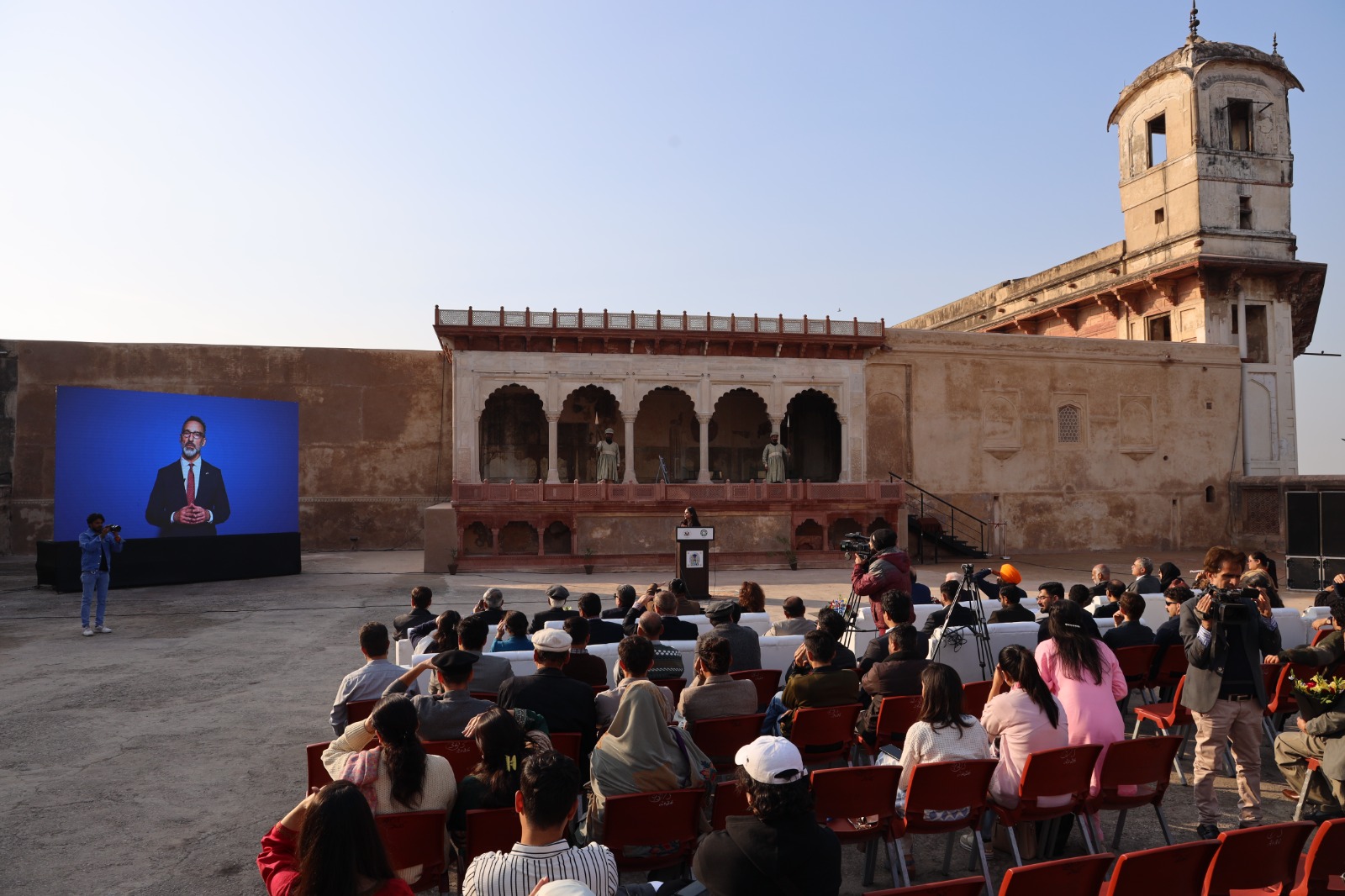
Detailed insights into the conservation process were offered through a presentation outlining the initial conditions of the sites, the structural and material challenges faced, and the techniques employed to stabilize and restore them. The approach balanced traditional craftsmanship with modern conservation standards, ensuring that authenticity was preserved while preparing the monuments for future generations.
Throughout the event, Lahore Fort was repeatedly described as a space where history does not belong to a single empire or ideology. Instead, it represents successive layers of rule, belief, and artistic expression, each leaving behind architectural traces that deserve equal recognition. The restored monuments, in particular, were highlighted as powerful reminders of Punjab’s pluralistic past, where multiple faiths and communities coexisted and shaped the cultural fabric of the region.
The programme concluded with ribbon-cutting ceremonies at each site, followed by guided visits that allowed guests to experience the restored spaces firsthand. The day closed with the presentation of souvenirs to attending dignitaries, a symbolic gesture marking the collective effort behind the project.
Yet the true significance of this restoration lies beyond the ceremony. In reopening the Loh Temple, the Athdara Pavilion, and the Sikh Hammam, Lahore Fort has reclaimed parts of its own voice. These spaces invite visitors to slow down, to look closely, and to recognise that heritage is not monolithic…it is layered, contested and shared.


 FLWL - From Lahore With Love
Leave a comment